



 26 / 32

To Felix Weber, making agronomic
decisions is always rooted in having
confidence in the data collected.
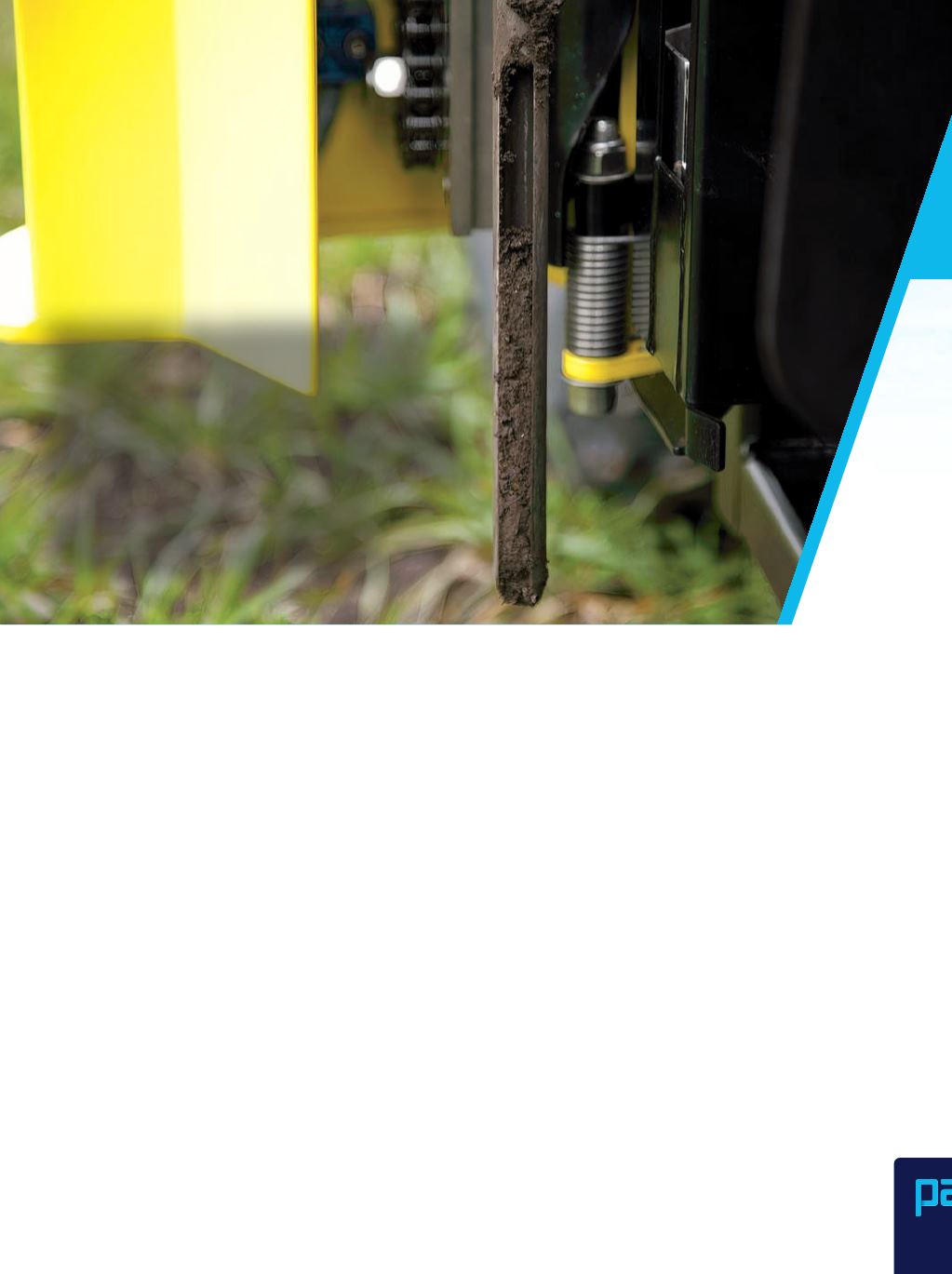
When soil sampling, Weber is particular about the
quality and consistency of collected soil cores.
“If careful attention is not paid to where, when,
and how those cores are collected, how can you
have confidence in the test results or fertilizer
recommendations?”
This may sound rather simplistic, given the level of
technology we now have at our disposal, but Weber
is the Chief Executive Officer of
Ag Business & Crop
Inc.
, who farms, operated a crop consulting business,
and is the distributor for
Wintex Soil
samplers, and
offers these tips for getting the most value out of your
soil sampling.
•
Sample fields at the same time of year so analyses
are comparable over time;
•
Avoid fields where fertilizer, manure, or bio-solids
were recently applied;
•
Soil sample minimum every four years for a given
field, and at the same point in the rotation;
•
Clean equipment between fields to avoid moving
soil-borne pests like SCN, clubroot;
•
Use plastic or stainless steel containers for
collecting samples. Galvanized metal containers
can affect test results for some micronutrients;
•
Sample to a depth of six to eight inches, the depth
of most topsoil and where soil mixing occurs, and
where plants extract most nutrients, except for
nitrogen. Fertilizer recommendations are based
on this depth; every inch makes a difference, so
consistency in depth is important;
•
Long-term no-till fields and pastures may need an
additional sample to two to three inches to note
changes in pH, where nitrogen is being surface
applied;
•
Collect a minimum of 15-20 soil cores per sample.
More cores have the greatest impact on the
accuracy of results. Label samples consistently to
easily refer and compare results in the future;
26
THE PATH TO
QUALITY SOIL
SAMPLING
PHOTO: agbusiness.ca