By Jonel Aleccia
Soy, oat, almond and other drinks that bill themselves as “milk” can keep using the name, according to draft federal rules released Wednesday.
Food and Drug Administration officials issued guidance that says plant-based beverages don't pretend to be from dairy animals – and that U.S. consumers aren't confused by the difference.
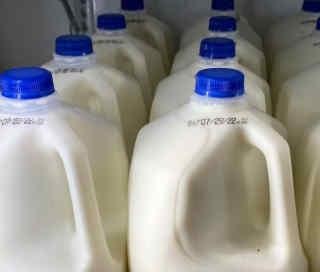
Dairy producers for years have called for the FDA to crack down on plant-based drinks and other products that they say masquerade as animal-based foods and cloud the real meaning of “milk.”
Under the draft rules, the agency recommends that beverage makers label their products clearly by the plant source of the food, such as “soy milk” or “cashew milk.”
The rules also call for voluntary extra nutrition labels that note when the drinks have lower levels of nutrients than dairy milk, such as calcium, magnesium or vitamin D.
In the U.S., almond milk is the most popular variety, but oat milk has been seeing the fastest growth. Still, nondairy sales are dwarfed by traditional milk. Sales of refrigerated cow’s milk grew to $12.3 billion in the 52 weeks ending Jan. 28, compared to $2.5 billion for nondairy milk, according to NielsenIQ.
In the past, lawmakers in dairy states have tried to get bills passed that would require the FDA to enforce a federal standard that defines “milk” as the product of “milking one or more healthy cows.”
Click here to see more...