Among the many animal health products offered to cattle producers, Safe-Guard has been recognized as one of the most trusted parasite preventions on the market for nearly 40 years. Farm Director Ron Hays consulted Dr. Tim Parks, beef cattle technical services manager for Merck, about this product and why implementing it in your herd health program is so imperative.
“Parasites play a huge role, not only in the performance of those animals,” Parks said, “but also in the health of those animals.”
Safe-Guard is unique in the fact that several varieties of the formula are available for producers to help meet their specific needs.
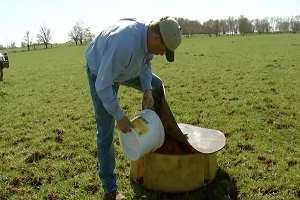
“It’s a tremendous product,” Parks insists. “We have non-handling forms for people that may not have those cattle up in a facility where they can actually get their hands on them. We’ve got forms that can be utilized in the feed and in the mineral.”
Doing the right things early on in your herd, using prevention as your primary strategy, directly relates with your bottom line says Dr. Parks. In addition, he says proper nutrition management can be just as important. He points to the forthcoming Veterinary Feed Directive as a marriage of nutrition and health management, creating an opportunity for collaboration between producers, nutritionists and veterinarians.
“We need to do everything we can to give that calf a chance to fight off disease when it comes in contact,” Parks asserts. “We need to have that calf ready so that when it does get sick, it’s sick fewer days, it responds better to treatment and it just goes on and performs better.”
Click here to see more...