Recently, U.S. Wheat Associates (USW)
has shared a lot of information about U.S. wheat researchers and breeders’ tireless efforts to meet the highest standards for our customers’ end-use quality needs and to help farm families thrive. So far, we have described the important work of public wheat breeding programs at U.S. land grant universities and the support they get from farmers through state wheat checkoffs. Yet, many for-profit companies, such as BASF and Corteva Agriscience, are doing excellent wheat variety development work and often collaborate with public breeding programs.
No Endorsement. USW does not endorse any public or private seed brands. To present a complete picture of the breeding industry, we invited several commercial seed companies to send us stories for our “Wheat Letter” blog about their efforts to increase wheat yield potential while also improving functional milling and baking quality. This post shares information from two of those companies, BASF Corp. and Corteva Agriscience. Future posts will cover other commercial breeding programs.
BASF Agricultural Solutions
Hybrid technology allows plant breeders to choose the best traits from two parent plants to produce a “hybrid” offspring containing both parents’ best attributes without genetic modification.
BASF anticipates commercially launching hybrid wheat in the mid-2020s.
At BASF, wheat breeders are producing hybrids selected from diverse germplasm for the U.S. hard red spring (HRS) growing areas of the Northern Plains and for the U.S. hard red winter (HRW) areas of the Central Plains. These hybrids will have many qualities farmers and end-users are looking for: disease resistance, higher and more stable yields, and desired end-use functionality and protein.
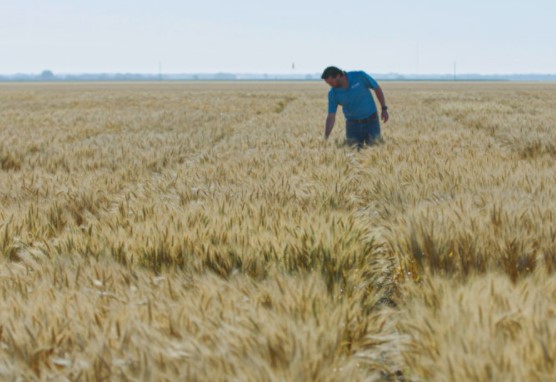
Seed from BASF hybrid wheat test plots is tested to ensure the new varieties meet required quality characteristics.
Quality Labs. Quality is a key component of the
BASF Hybrid Wheat Project. Breeding stations feature quality laboratories, and collaboration between breeders and quality managers occurs in both the field and the lab. Quality labs focus on ensuring hybrids meet the required milling and baking characteristics for desired end-use functionality to support a consistent supply of quality wheat. BASF uses third-party labs and strategic industry partnerships to gather feedback on end-use performance to ensure its breeders are selecting for desired characteristics.
BASF anticipates commercially launching hybrid wheat in the mid-2020s.
BASF breeders leverage diverse germplasm, technologies, and expertise from key wheat-growing regions to develop hybrids with value-added traits that address local needs and growing conditions. With a robust pipeline, each future generation of BASF hybrids will deliver further improved performance year after year.
Corteva Agriscience
With 51 years of consistent breeding and a long-term focus on the wheat market, Corteva Agriscience is developing industry-leading soft red winter (SRW) and soft white (SW) winter wheat products for farmers in the United States and other countries. Corteva – a global agriculture company that provides farmers with the most complete seed, crop protection and digital portfolio in the industry – sells wheat varieties directly to U.S. farmers through respected
Pioneer® brand seed.
Corteva researchers breed for resistance to Fusarium head blight (FHB), a common wheat disease that may impact yield potential and product quality. A new variety with outstanding resistance to FHB (left) is shown next to an older, susceptible variety (right).
Click here to see more...