By Jaspreet Sidhu
Glyphosate, a popular non-selective herbicide is widely used in agriculture to provide cost-effective, broad-spectrum weed control in more than 100 crops. It is also one of the most heavily used herbicides in Kern County in crops such as almonds, grapes, alfalfa, etc. The proximity of potato fields planted to glyphosate treated areas/crops increases the potential for damage to potato crop due to herbicide drift. The most common ways that potatoes can be exposed to glyphosate are through drift or off-target movement, tank contamination, and sometimes misapplications.
Exposure to glyphosate during the growing season can lead to stunted plant growth, yellowing, or necrosis in young leaves (Photo 1), and misshaped or deformed tubers with cracks. These symptoms on tubers reduce yields and quality and thereby marketability. However, the impact of glyphosate exposure on seed potato fields also extends into the next season as seed tubers can store glyphosate residues. These affected tubers used for seed exhibit delayed or erratic emergence (Photo 2), multiple shoots form a single eye (Photo 3), weakened young plants with twisting, bending, and yellowing of young leaves (Photo 4), swelling of shoots. The extent of this damage depends on glyphosate concentration in the potato seed, growing conditions, and the emergence delay times. Once the seed potato with glyphosate residue begins normal growth, they are capable of metabolizing the glyphosate and therefore glyphosate residues are not reported to carry over into granddaughter tubers. Glyphosate exposure late in the season during bulking or early senescence complicates the detection as little to no symptoms are observed on above-ground parts.
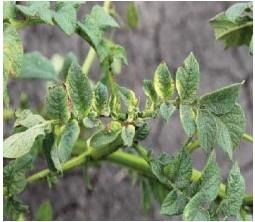
Photo 1. Necrosis and yellowing of young leaves
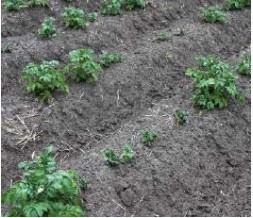
Photo 2. Delayed emergence of potatoes with glyphosate residues
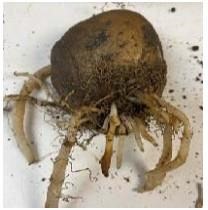
Photo 3. Multiple shoots form a single eye
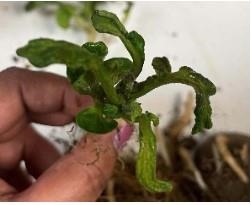
Photo 4. Bending and twisting of leaves due to glyphosate residue in seed potato
If the potato crop is affected during the growing season, examine the field for typical injury symptoms, and please document all the symptoms and related information. However, it is the daughter tubers/seed tubers that are likely to be of most concern to our growers here. If potato seed is suspected of glyphosate contamination, sprout the seed in the dark and grow in a pot and then send plant sample for residue testing to a lab.
Source : ucanr.edu