By Dr. Glenn Selk
Dr. Glenn Selk, Oklahoma State University Emeritus Extension Animal Scientist, offers herd health advice as part of the weekly series known as the "Cow Calf Corner" published electronically by Dr. Peel and Dr. Glenn Selk. Today, Dr. Selk discusses the impact of dressing percent on cull cow marketing.
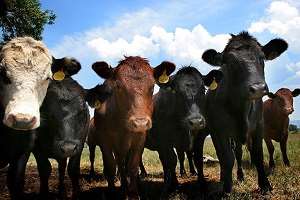
"Last week’s Cow-Calf Corner newsletter discussed cull cow grades. Remember cull cows that are destined to go to the packing house are graded by their fleshiness. The fattest cows are called “Breakers”. Moderately fleshed cows are “Boners”. Thin cows are called “Leans” or “Lights”, depending upon the weight of the cow. Most years there will be price differences among these four grades. This fall, the price differences between grades (of average dressing percentage cows) seems to be narrowed.
"However, within each grade, large variation in prices per hundredweight will exist because of differences in dressing percentage. Cow buyers are particularly aware of the proportion of the purchased live weight that eventually becomes saleable product hanging on the rail. Dressing percentage is (mathematically) the carcass weight divided by the live weight multiplied by 100.
Click here to see more...