By Abigail Bottar
Nearly twenty years ago, Eric Rund took a risk on his farm in east central Illinois. He took 40 acres of land that wasn’t producing very good corn out of production to plant a tall grass called miscanthus, in hopes of earning a little extra cash and improving the health of his soil.
“Once it’s established, that’s it. You do nothing. No herbicide. No pesticide,” he said. “And it’s harvested the end of February, first of March, when we’re not doing anything anyway.”
Rund found a market for his miscanthus selling directly to turkey farmers to use as bedding, he said. It can also be burned for heat and power and used for building materials.
For him, the risk has paid off, he said.
“The last four years, it’s been the most profitable crop we can grow,” he said.
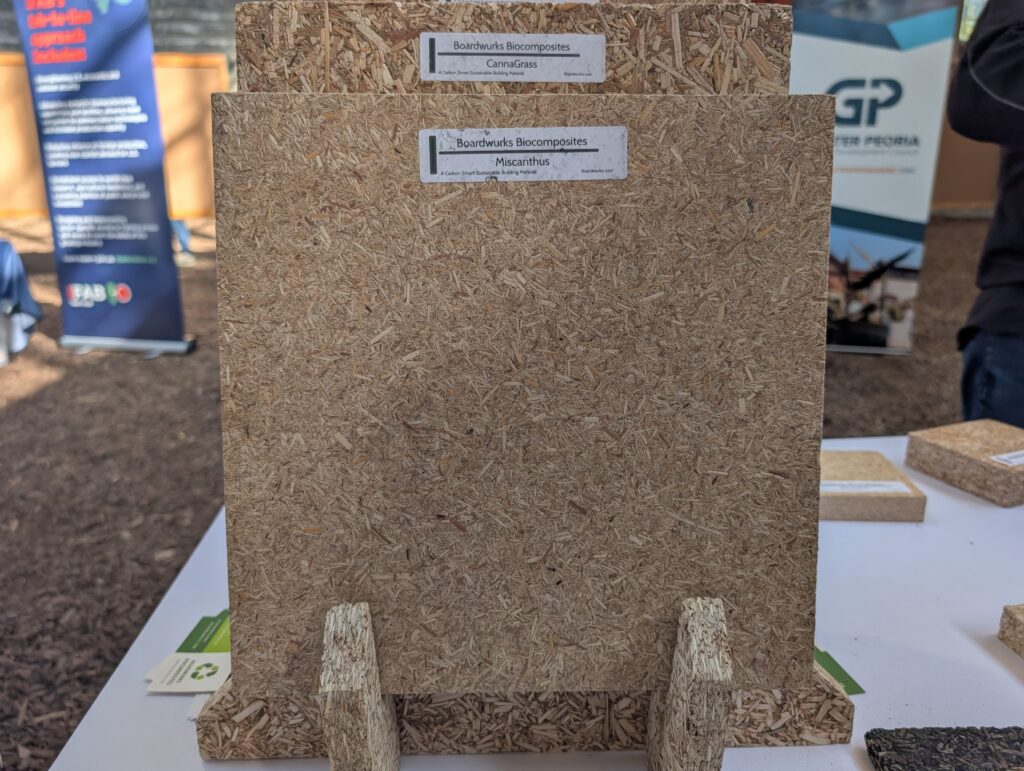
Miscanthus is a kind of perennial grass, meaning it grows back every year without having to be replanted. For decades, researchers around the world have been studying a variety called giant miscanthus as an option for farmers to grow for extra revenue and better soil health. Scientists say the grass has potential as a renewable energy source.
As interest in miscanthus grows in the U.S., many of those researchers gathered with farmers and policymakers in east central Illinois in October for the first international summit on the grass.
“It is my hope that together we build the economic infrastructure here for Illinois and the Midwest to really benefit from this technology,” said Emily Heaton, a crop sciences professor at the University of Illinois Urbana-Champaign.
Click here to see more...