Ag inspectors recently intercepted almost 500 pounds of mangoes
By Diego Flammini
Staff Writer
Farms.com
While American farmers are busy producing crops and raising livestock for export around the world, border agents at federal ports of entry are busy ensuring any food that comes into the U.S. is authorized to do so.
And on March 26, Customs and Border Protection (CBP) officers intercepted a vehicle at the Juarez-Lincoln bridge in Laredo, Texas, with hundreds of pounds of unauthorized ag products.
Ag specialists encountered a Chevrolet Colorado with a trailer arriving from Mexico around 10:30 a.m. that morning and referred the vehicle for a secondary inspection.
That’s when the inspectors discovered multiple boxes and coolers filled with undocumented produce and other products.
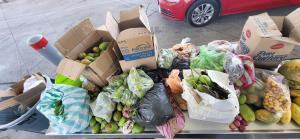
In total, the ag specialists prevented almost 500 pounds of mangoes and 10 pounds of pork products from entering the country.
The vehicle also had about five pounds of sweet potatoes, almost 20 pounds of cashew fruit and about three pounds of nance fruit.
“This significant amount of prohibited agricultural items seized illustrates the important work of our frontline CBP agriculture specialists in preventing harmful prohibited agriculture products from entering the U.S. and in so doing they prevent the possible entry of plant and animal pests and diseases which could harm the nation’s food supply,” Port Director Albert Flores said in a statement.
The male driver received a $1,000 fine.
And earlier in March, CBP ag specialists kept unauthorized animals out of the U.S.
Border agents at the Brownsville and Matamoros bridge in Brownsville, Texas, intercepted a vehicle containing two live Howler monkeys.
U.S. law prohibits the transportation of monkeys for pets.
And Howler monkeys can carry disease.
In Brazil in 2017, for example, a form or malaria spread from these animals to humans.
Homeland Security Investigations arrested the Mexican driver, and the monkeys were turned over to the Gladys Porter Zoo.