Practical tips from a tractor mechanic and auctioneer
IN THE SHOP with Rachel
By Rachel Gingell
Farms.com
Are you getting the best deals on your used tractor purchases? After years of buying and selling used tractors professionally, I’ve figured out how to find great deals and save the most money on used tractors. Here are my top four tips:
1. Buy before your need is urgent. If you can afford to do so, start looking for a new used tractor before your current tractor fails. Patience is the key to finding great deals and it can take some time to get to know your local market. Every region will have times that are the best to buy, so take the time to learn the price fluctuations in your area.
2. Look for deals in unusual places. Check out poorly advertised auction sales, the classifieds sections of small, local newspapers and tractors for sale on the side of rural roads. Sellers who don’t post their tractors for sale on the Internet are at a disadvantage. If you can find these tractors, you’ve got a good chance at finding a great deal.
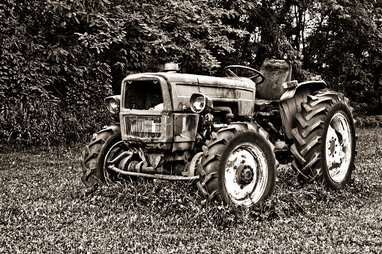
3. If you find a tractor you are interested in, don’t delay! I’ve scored lots of great deals simply by checking my favourite sites more frequently than other tractor buyers in my area. Be quick to call on ads that look promising. When a seller is motivated, the deals often go to the first person who can arrive with cash in hand. So, keep enough cash on hand to make a purchase even on a day when the bank isn’t open.
4. Ask about extras, like manuals, weights and attachments. Sellers will often throw items like these in for a low price or even at no extra charge. If you don’t personally want the extra items, you may be able to resell them for a good profit. If you are purchasing a collectible tractor or a tractor that has belonged to a single owner, extras like the original sales receipt or dealer literature can be really cool add-ons that add to the story and the resale value. These items might be yours for the taking – just ask!