By Rodrigo Onofre
Aspergillus ear mold is favored by hot and dry conditions, and for that reason is a concern for the 2022 Kansas corn season. Aspergillus can produce aflatoxin, a known carcinogen that is highly regulated by the Food and Drug Administration (FDA). On the ear, colonies of Aspergillus flavus are a greenish-yellow, dime- to quarter-sized mold that grows between the kernels (Figure 1). In severe cases, the mold may cover much larger portions of the ear (Figure 2). Often there is little correlation between the percent moldy ears in a field and actual level of aflatoxin. Corn that dries down rapidly may accumulate less toxin and some field strains are poor producers of aflatoxin. On the other hand, strains that produce copious amounts of aflatoxin may need to be present on a relatively low percentage of ears to cause problems at the elevator.
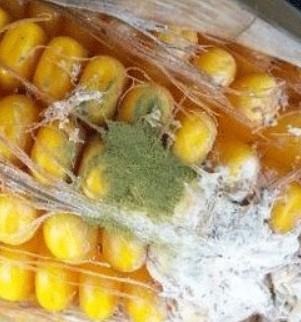
Figure 1. Aspergillus ear rot colony. Photo by Doug Jardine, K-State Research and Extension.
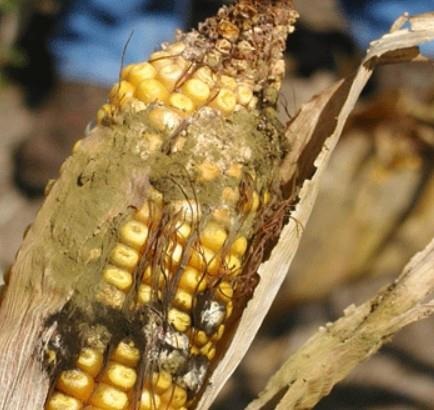
Figure 2. Severe case of Aspergillus ear rot. Photo by Doug Jardine, K-State Research and Extension.
Most elevators now use one of several commercial quantitative tests that can be performed in a very short time period right at the point of delivery, rather than using the outdated black light method. Samples testing at less than 100 parts per billion (ppb) are usually accepted without penalty. Levels over 100 ppb may be docked a percentage or not accepted at all.
The FDA has established 20 ppb or higher as the level deemed unsafe for human consumption. However, buyers of corn for consumption by humans or pets typically have much more stringent standards and may require levels to be 10 ppb or less. Ethanol plants may also refuse aflatoxin-contaminated grain since the toxin is heat stable and can concentrate as much as three- to four-fold in the distiller’s grains. Aflatoxin contaminated corn at any level should not be fed to lactating dairy cows because it can be passed through to the milk.
At 20 to 100 ppb, corn can still be fed to breeding cattle, swine, and mature poultry. Grain testing at 100 to 200 ppb can be used for finishing swine over 100 pounds and for beef cattle. For levels between 200 and 300 ppb, uses are limited to finishing beef cattle only.
Grain with aflatoxin levels higher than 300 ppb cannot be used as feed unless it has been cleaned or blended to safe levels. Blended corn can only be used for direct feeding on the farm where it is blended. It cannot be sold unless a specific blending exemption from the FDA is granted, such as occurred during the 2012 outbreak.
Drought stressed corn harvested for silage may also contain aflatoxin. Producers wishing to have silage tested for aflatoxin can do so through the Kansas State Veterinary Diagnostic Laboratory. Toxicology submission form can be found here: https://www.ksvdl.org/docs/submission-forms/Toxicology-Submission-Form.pdf . See their website at https://vetview2.vet.k-state.edu/LabPortal/catalog/show/4231490 for information on pricing and sample submission.
Once the fungus is detected in grain, the affected corn should be separated from “sound” corn and extra care used in cleaning bins that held contaminated corn.
Producers can reduce the incidence of aflatoxin and other mycotoxins after harvest by taking the following precautions:
- Harvest when moisture content allows minimum kernel damage (24 to 26 percent).
- Adjust equipment for minimum kernel damage and maximum cleaning.
- Dry shelled grain to at least 15 percent moisture, 24 to 48 hours after harvest.
- Dry grain to below 13 percent moisture for long-term storage.
- Cool the grain as quickly as possible after drying to 35 to 40 degrees F, realizing that with current weather conditions, this is not feasible.
- Aerate and test for "hot spots" at one- to four-week intervals during the storage period.
Source : ksu.edu