Sustainable Beef, a rancher-owned beef processing facility in North Platte, is set to open this spring. The facility is expected to process 1,500 head of cattle per day, roughly 40 truckloads, and ship 22-26 truckloads of beef when fully operational. The genesis for the facility was spawned a few years ago when cattle producer frustrations with the processing sector were widespread. At the time cattle were plenty, cattle prices were low, and beef cutout prices were relatively high. Plant shutdowns and slowdowns due to COVID, fires, and cyber-attacks were a frequent occurrence. Cattle producers were losing money. Processors were generating record profits.
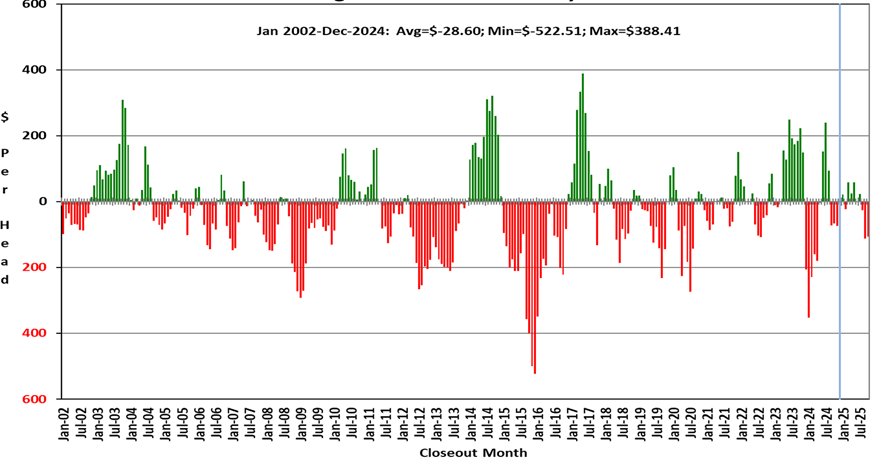
Fast forward to today and market conditions are vastly different. Cattle numbers have declined to multi-decade lows, cattle prices have hit record highs, and retail beef prices are even higher. Today, ranchers are experiencing record profits (Figure 3). Feedlots have opportunities for positive returns (Figure 4). Now it’s the processors who are unprofitable. Drovers reported in February that beef packers saw operating losses of $174 per head. Other reports have suggested processor losses exceed $200 per head.
FIGURE 3. ESTIMATED AVERAGE COW-CALF RETURNS
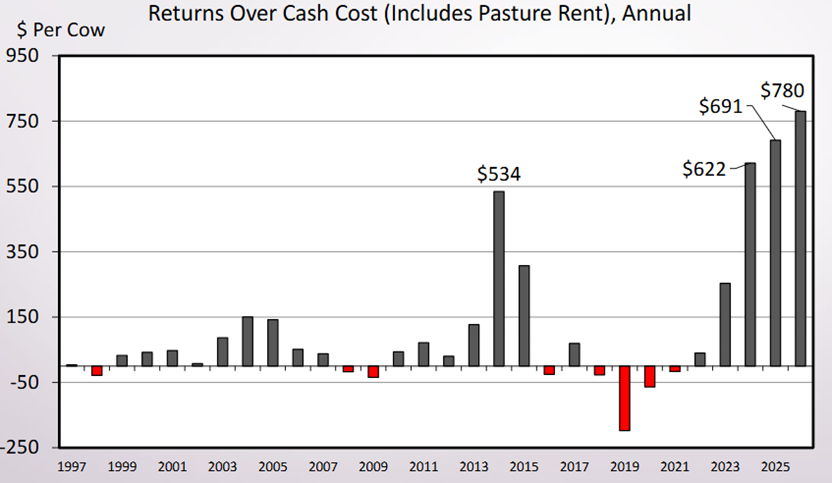
FIGURE 4. AVERAGE NET RETURNS FOR FINISHING STEERS IN KANSAS FEEDYARDS
The turnabout has market observers asking different questions today compared to a few years ago. A few years ago, it was the financial health of ranchers and feeders and the competitiveness of cattle markets being questioned. Now the questions center on how long processors can absorb the losses, especially smaller processors, before plants shut down. Dennis Smith of Archer Financials says packers are facing the perfect storm, “the fundamental issue right now is the deeply red packer processing margins. Their strategy for months has been to control throughput, slowing the chain speed, propping up the cutout and forcing weights upward. But this strategy has never resulted in profitable margins.” Stephen Koontz, livestock economist at Colorado State University adds, “Packer margins have been tight for several years and there is little in the supply outlook to imply relief. The surprise will likely be reduced packing capacity sometime in the next several years. Which plants and what regions?”
Click here to see more...