By Lisa Moser
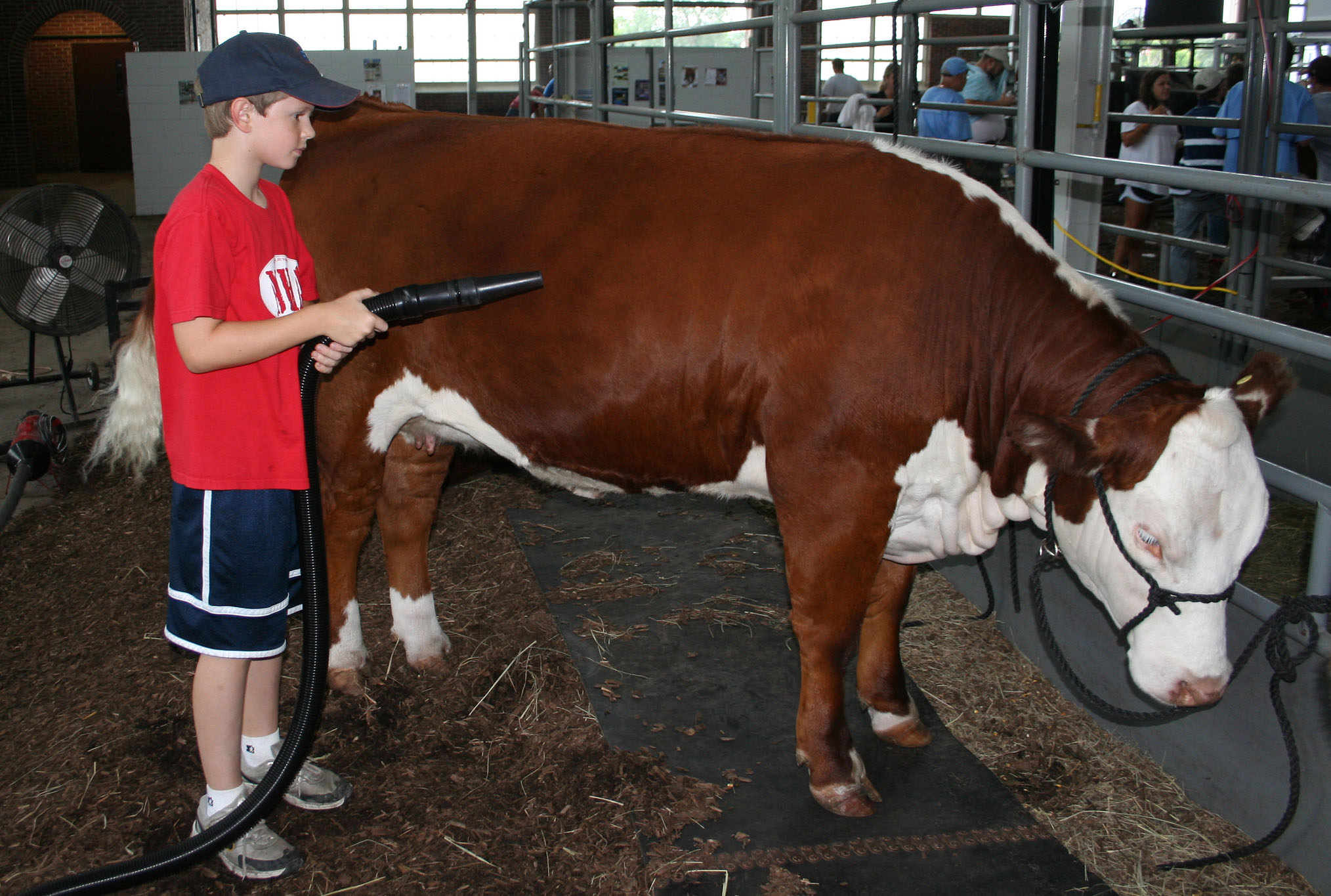
One of the highlights of the summer for many 4-Hers is taking their livestock projects to the county fair, but unexpected health challenges can keep those animals from being eligible to show, says Kansas State University veterinarian Bob Larson.
Speaking on a Beef Cattle Institute Cattle Chat podcast, Larson said: “Ringworm and warts are two of the most common conditions that would keep a calf from being able to go to the show.”
Many fairs require that the animals have a health evaluation by a veterinarian prior to the exhibition. Larson encouraged 4-Hers to look carefully for warts, ringworm, or any other problems early in the summer so that there is time to treat them well ahead of show day.
K-State veterinarian Brad White agreed, adding: “Both these conditions take time to clear and so families need to work with a veterinarian to make sure they have the right treatment plan in place.”
Warts involve removing them so that the calf’s body will create an immune response to clear them. Since ringworm is a fungus, it is best treated with sunlight and a topical cream, said Larson.
Larson also suggested inspecting the trailer well ahead of travel to the fair.
“Calves can get injured in the process of hauling them to the show, so it is important to look at the trailer to make sure there isn’t anything sharp exposed and that the flooring is solid,” Larson said.
Once cattle get to the fair, it is important to provide feed, forage and water that is familiar to them, said K-State beef cattle nutritionist Phillip Lancaster.
“When cattle go to a fair for the first time, it can be a stressful situation for them with all the people around them in an unfamiliar place, so it is important to keep them following their routines as much as you can,” Lancaster said.
And part of keeping that routine involves feeding the cattle the same feed and hay type in a familiar feed pan and, most importantly, to make sure they are drinking water, according to Lancaster.
“If the cattle have been drinking well water, the city water offered at the fair may smell or taste different to them and cause them not to drink as much and so they may need to have water brought from home,” he said. “If that is the case, you’ll need to bring plenty of water because in the summer those cattle will drink 15-20 gallons/day.”
To hear the full discussion, listen to the Cattle Chat podcast online or through your preferred streaming platform.
Source : state.edu