Joel Porter named to the position
By Diego Flammini
Assistant Editor, North American Content
Farms.com
Joel Porter is Farm and Food Care Ontario’s new vice-president of development and member relations.
With 26 years of experience working in with charitable and non-profit organizations including Big Brothers Big Sisters Canada, as well as earning his Canadian Securities Course certification in 2002 and Certified Fundraising Executive certificate in 2004, Porter is excited to engage in conversations with the agriculture sector.
“Agriculture is amazingly diverse and Farm & Food Care Ontario is a great asset in this province,” Porter said in a December release. “There are untapped resources both in and outside the industry, and I’m looking forward to helping the organization forge stronger ties.”
Tracey Hussey, executive director of Farm and Food Care Ontario, said Porter’s addition will be an important tool in bridging the gap between those in agriculture and those outside of food production.
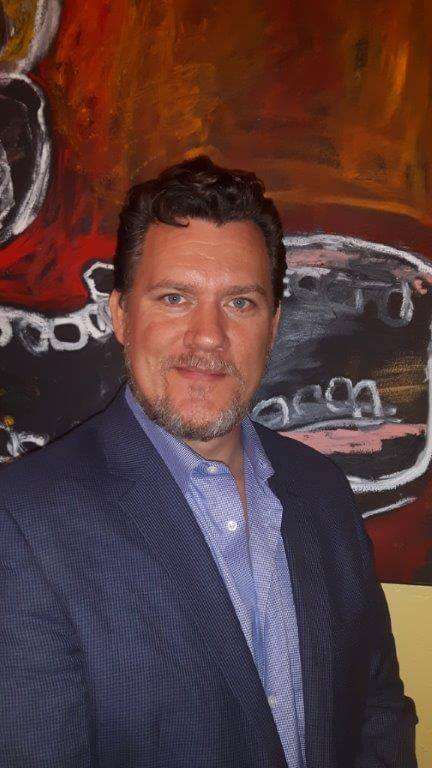
Joel Porter
Photo: Farm and Food Care Ontario
“Maintaining good relationships within our industry is a critical part of connecting consumers with food and farming,” she said in the release. “Joel’s background with non-agricultural groups also gives him a fresh perspective, and we look forward to applying that perspective to our business and communication strategies.”
Farms.com has reached out to Mr. Porter to find out issues he’ll be focusing on in the immediate future in his new role.