Farms.com Home   Ag Industry News

New device can let dairy farmers know when a cow needs attention

Device was developed by an Austrian company

By Diego Flammini
Assistant Editor, North American Content
Farms.com

A new product by an Austrian startup could allow dairy farmers to take the guess work out of determining whether a cow is pregnant, ill or otherwise needs attention.

SmaXtec has developed sensors capable of transmitting health data using wifi. The sensors are lodged in the rumen and track pH levels, movement, and when the cow is in heat.

When significant changes are detected, the farmer receives a text message notification.

“It’s easier, after all, to look at the situation from inside the cow than in the lab,” Stefan Rosenkranz, SmaXtec co-founder, told Bloomberg.
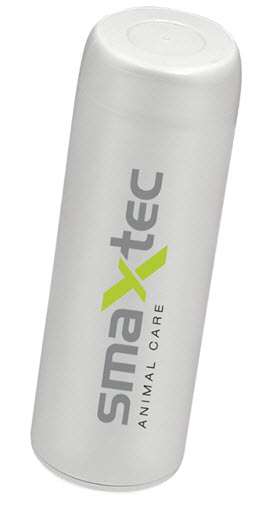
The sensors can predict when a cow will give birth with 95 per cent accuracy, according to Bloomberg.

About 350 farms spread over 24 countries are using the technology. Some dairy producers in Ontario say they’d be interested in putting the device to use.

“Definitely, that sounds like it would be good information,” said Nicole Stewardson, a dairy farmer from near Lambton-Shores, Ontario. “Because if something changes inside (the cow), then you can tell.

“I’d say yes, I would use it.”

The cost to farmers is about $10 per cow, per month.

As a dairy farmer would you put this technology to use on your farm?


Trending Video

Dicamba Returns for Georgia Farmers: What the New EPA Ruling Means for Cotton Growers

Video: Dicamba Returns for Georgia Farmers: What the New EPA Ruling Means for Cotton Growers

After being unavailable in 2024 due to registration issues, dicamba products are returning for Georgia farmers this growing season — but under strict new conditions.

In this report from Tifton, Extension Weed Specialist Stanley Culpepper explains the updated EPA ruling, including new application limits, mandatory training requirements, and the need for a restricted use pesticide license. Among the key changes: a cap of two ½-pound applications per year and the required use of an approved volatility reduction agent with every application.

For Georgia cotton producers, the ruling is significant. According to Taylor Sills with the Georgia Cotton Commission, the vast majority of cotton planted in the state carries the dicamba-tolerant trait — meaning farmers had been paying for technology they couldn’t use.

While environmental groups have expressed concerns over spray drift, Georgia growers have reduced off-target pesticide movement by more than 91% over the past decade. Still, this two-year registration period will come with increased scrutiny, making stewardship and compliance more important than ever.