Farms.com Home   News

Ontario farm sold for almost $100 million

Caledon East farmer sells farm to a residential developer

By Jennifer Jackson

A Caledon farmer sold his 150 acre farm for $97 million to a residential developer, according to a March 29 article in the Caledon Enterprise. The property, known locally as the former McLeod farm, was located on Airport Road, in Caledon East.

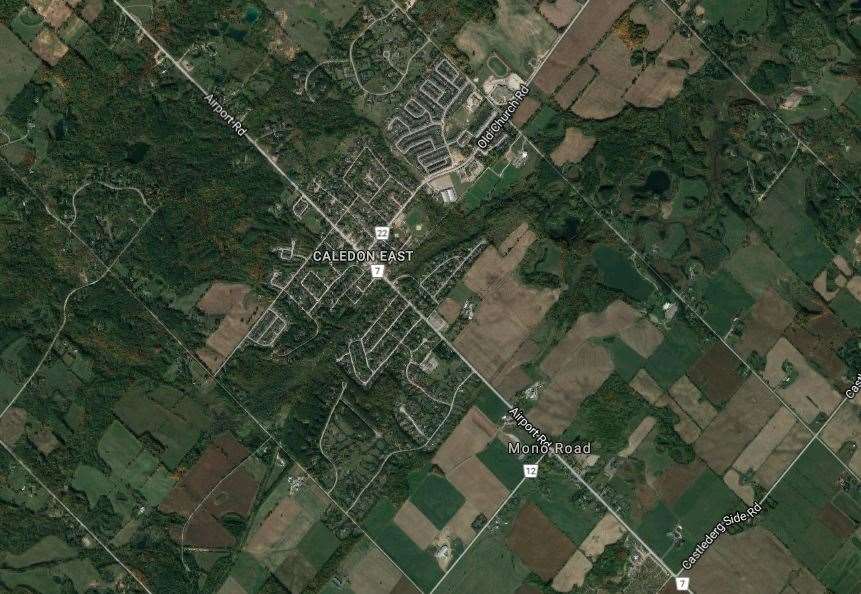
In 2016, Caledon East was home to 4,282 residents. The town is located almost an hour and a half from Toronto’s downtown. Caledon East, however, is still primarily surrounded by agricultural land, according to Google Earth.

Less than a five minute drive from the old McLeod farm are two additional former agricultural properties that will soon house residential subdivisions, boasting some 535 various housing units.

The developing group that bought the McLeod farm plans to build a similar housing development on the property, but has yet to complete a subdivision application, according to the article.
Caledon

Google Earth photo of Caledon East


Trending Video

Evolution of Beef Cattle Farming

Video: Evolution of Beef Cattle Farming

The Clear Conversations podcast took to the road for a special episode recorded in Nashville during CattleCon, bringing listeners straight into the heart of the cattle industry. Host Tracy Sellers welcomed rancher Steve Wooten of Beatty Canyon Ranch in Colorado for a wide-ranging discussion that blended family history and sustainability, particularly as it relates to the future of beef production.

Sustainability emerged as a central theme of the conversation, a word that Wooten acknowledges can mean very different things depending on who you ask. For him, sustainability starts with the soil. Healthy soil produces healthy grass, which supports efficient cattle capable of producing year after year with minimal external inputs. It’s an approach that equally considers vegetation, animal efficiency, and long-term profitability.

That philosophy aligned naturally with Wooten’s involvement in the U.S. Roundtable for Sustainable Beef, where he served as a representative for the Colorado Cattlemen’s Association. The roundtable brings together the entire beef supply chain—from producers to retailers—along with universities, NGOs, and allied industries. Its goal is not regulation, Wooten emphasized, but collaboration, shared learning, and continuous improvement.