Only 16 remain in eastern Ontario
By Diego Flammini
Assistant Editor, North American Content
Farms.com
A group of livestock farmers are working together to raise enough money to reopen a previously closed abattoir.
Only 16 provincially-licensed facilities remain in eastern Ontario. Only 10 provide slaughter for cattle, sheep, goats and swine; three offer poultry slaughter.
Some farmers need to wait as long as four months to have their livestock slaughtered, which results in increased feed and processing costs.
“You won’t have customers if you don’t have a product for them,” Barbara Schaefer, an Athens-area swine farmer told The Kingston Whig-Standard.
In February, Rideau Meats in Smiths Falls, which serviced customers in Leeds and Grenville, Frontenac and Lanark counties and Ottawa-Carelton, closed its doors.
Schaefer is leading a group called Farmersville Community Abattoir, who are looking to raise approximately $200,000 to reopen a facility at 63 Addison Road in Leeds County.
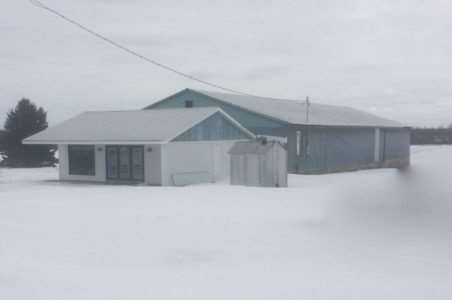
The group is collecting donations from farmers, chefs, butchers and concerned customers. Donations of $1,000 or more will allow the donor to become a voting member and receive prompt slaughter services; the group has also set up a survey to gauge interest in the facility.
The 5,500 sq. ft. building sits on three acres of land zoned for abattoir use and also includes 2,500 sq. ft. of storage space behind it.
The building’s original owner, Bernie Barber, has continued to upgrade the facility since the middle of 2015 and will assist the group with butchering and mentoring.
Schaefer said it’s an ideal place, because to build an abattoir from the ground up can cost more than $1 million.
Farmersville Community Abattoir anticipates the facility will open in August 2016 and provide slaughter, custom cutting and wrapping. Vacuum packaging, weighing and labeling services could be available in the future.