The hybrid isn’t a big concern, a crop improvement association says
A plant in Kansas sent researchers for a loop.
As farmers prepared for field inspections as part of the Kansas Crop Improvement Association’s (KCIA) routine visits, some reported seeing a wild plant that looked like rye or triticale.
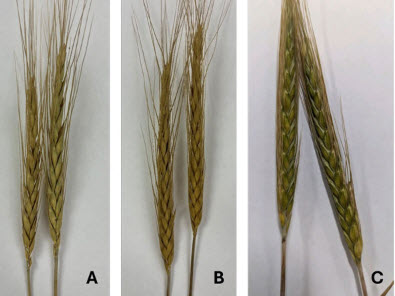
The wild hybrid found in Kansas (KCIA photo)
Genetic testing found the plant is a wheat and triticale hybrid.
“Triticale is already a cross between wheat and rye, so I honestly didn’t know that a hybrid could hybridize again with wheat,” Marion Spiering, manager of field services and seed certification for KCIA, told Kansas State University.
Farmers in Dickinson County, Marion County and south-central Kansas reported seeing this plant.
It has about three seeds per plant, and the seeds it does produce are about 60 percent viable.
Spering wants producers to contact the KCIA if they find more of these plants, and to pull them out.
And to be confident in the work KCIA does to ensure seeds are safe.
“Seed certification is dedicated to a traceability system; all of the growers in our state have their fields inspected and they rogue their fields, so it’s not a concern. Seed certification is a great system to keep this under control.”