By Meaghan Anderson
This is a great time of year to scout for Palmer amaranth (Amaranthus palmeri) in Iowa crop fields. While Palmer amaranth has been identified in more than half of Iowa’s counties, new identifications have slowed since the widespread introductions on non-crop acres in 2016. A new Palmer amaranth introduction was recently identified in a crop field in central Iowa, highlighting the importance for farmers and agribusiness professionals to remain vigilant in scouting for this species.
A native of the American southwest, Palmer amaranth is more competitive than common waterhemp (Amaranthus tuberculatus), a pigweed native to Iowa. Both species are known for prolonged emergence, fast development of herbicide resistance, and prolific seed production (>500,000 seeds possible). In July 2017, Palmer amaranth was added to Iowa’s noxious weed law, highlighting its potential threat to Iowa agriculture.
Early identification is key to eradicating this weed from fields. Eradication cannot happen without vigilance, early detection, and appropriate response soon after it invades an area. Palmer amaranth should be starting to flower, making it much easier to distinguish it from waterhemp. In addition to fields where Palmer amaranth was found previously, other priority areas to scout include farms that use feed and bedding from southern states, fields receiving manure from those farms, and farms where out-of-state equipment has been used.
Palmer amaranth and waterhemp lack hair (pubescence) on stems and leaves, while other common amaranth (pigweed) species have hair on stems or leaves. Early in the growing season, Palmer amaranth is difficult to differentiate from waterhemp due to the high variability in both species. The most reliable vegetative trait to differentiate waterhemp and Palmer amaranth is that some, but not all, Palmer amaranth leaves have a petiole longer than the leaf blade. Leaves on Palmer amaranth are often clustered tightly at the top of the plant, and Palmer amaranth often has a denser canopy than waterhemp (Figure 2).
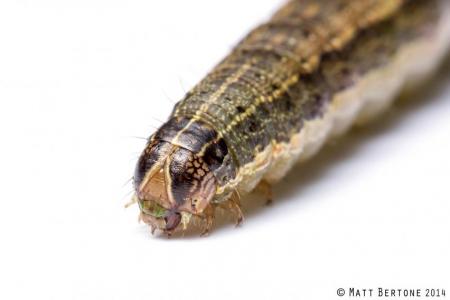
Figure 1. Palmer amaranth leaf with a petiole longer than the leaf blade. Folding the leaf over at the base is the fastest way to check for this trait.
Figure 2. Waterhemp's open canopy (left) compared to Palmer amaranth's denser, leafy canopy (right).
Palmer amaranth and waterhemp produce male and female flowers on separate plants (dioecious). Identifying males from females should be simple due to the small, black seed produced by female flowers and the presence of pollen on male plants. Female Palmer amaranth are easy to distinguish from waterhemp due to long, sharp bracts (Figure 3) surrounding the flowers (Figure 4). If you discover this weed, steps should be taken to remove all female plants to prevent seed production
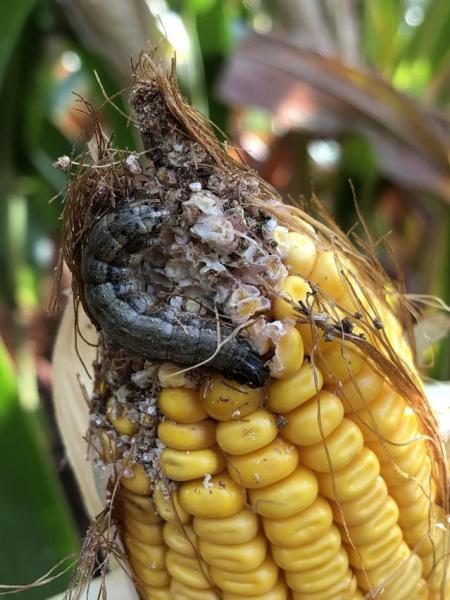
Figure 3. Comparison of a female Palmer amaranth flower and a female waterhemp flower.
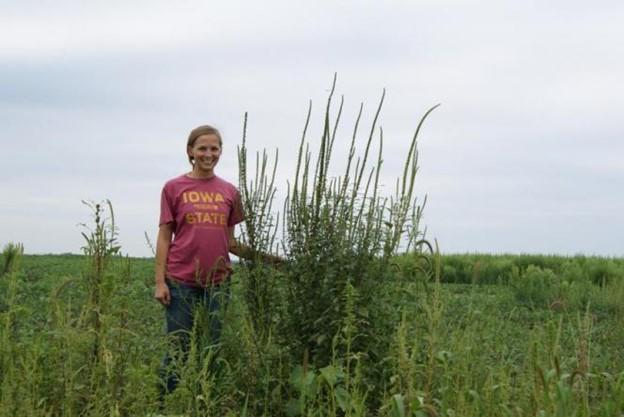
Figure 4. A female Palmer amaranth with multiple, long terminal inflorescences.
Continued vigilance is imperative to slow the speed with which Palmer amaranth invades our state.
Source : iastate.edu