The days are getting longer, the weather is getting warmer and soon it will be time to hit the lake. If you're going to be visiting one of the more than 100,000 waterbodies in the province this year, please make sure you are not bringing along any unexpected visitors.
During Aquatic Invasive Species Awareness Week, which runs from May 9-13, Saskatchewan residents and visitors are reminded to take the necessary steps to ensure aquatic invasive species (AIS) are not introduced to the waters in our province. These plants, fish and invertebrates can damage aquatic habitat and fisheries, as well as power generation and water infrastructure. Once established, aquatic invasive species can be impossible to eliminate, and cost millions of dollars to manage each year.
"Saskatchewan has some of the world's best lakes and rivers, many of which we rely on for a variety of purposes, including drinking water, fishing, recreation, power production and agriculture," Environment Minister Warren Kaeding said. "It is our responsibility to protect these vast freshwater resources from the damaging impact of aquatic invasive species, ensuring their viability and existence for years to come."
As part of its AIS program, the Ministry of Environment annually conducts roadside inspections and decontamination of watercraft, as well as monitoring waterbodies in the province. Public education is also a focus, including the Clean, Drain, Dry Program for watercraft and related equipment. Boat owners must stop at ministry inspection stations and are required to remove the drain plugs from their watercraft during transportation.
In addition to stopping the introduction of AIS through watercraft and related gear, Aquatic Invasive Species Awareness Week also highlights the potential harm caused by the introduction of invasive species through other means. To prevent the introduction and establishment of AIS:
- Unwanted aquarium or pond pets, plants and live food or aquarium water should never be released into the environment.
- Bait should not be moved from one waterbody to another and should be placed in the garbage for disposal.
- Transferring and introducing live fish into Saskatchewan waters can significantly impact our fisheries. Fish should never be moved from one waterbody to another.
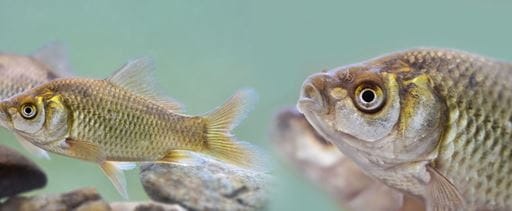
Sightings of aquatic invasive species such as zebra mussels, Prussian carp, flowering rush and goldfish should be reported to the Saskatchewan Turn in Poachers and Polluters (TIPP) line at 1-800-667-7561.
Click here to see more...