By Dorivar Ruiz Diaz and Bruno C. Pedreira
Knowing the soil nutrient status is a requirement to establish an adequate soil fertility program for forages. Soil testing can be done in either spring or fall on hayfields and pastures. Given a choice, fall would be the preferred time because it allows more time for any needed lime applications to have an effect before the main growing season begins, and it gives the producer some flexibility for planning nutrient applications.
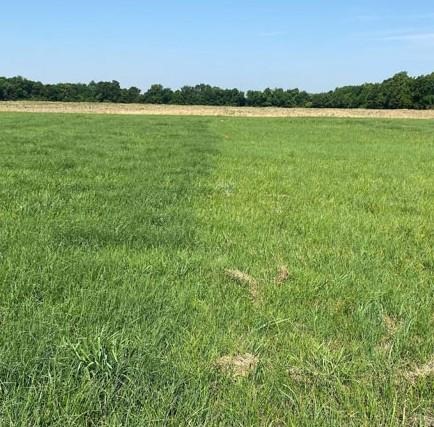
Figure 1. Fertility management effect in bermudagrass pastures.
Soil sampling on a regular basis (every 3 – 4 years) can keep you from applying excessive and unnecessary amounts of fertilizer or manure, and can increase yields by revealing exactly which soil nutrients are too low for optimum productivity. By doing this practice properly, producers can save money and reduce environmental impacts.
Tips for collecting a representative soil sample
To take accurate soil samples, it is best to use a soil probe. You can borrow a probe from many county Extension or NRCS offices. A shovel or spade can be used, but make sure to dig a hole first and then take a nice even slice to the correct depth. A shovel or spade that angles to a point at the bottom can easily result in misleading soil test results because the sample is biased by having more soil from the surface and less from lower depths.
When taking soil samples, it is important to have a representative composite soil sample from the field by combining several soil cores (in a clean container, avoiding contamination) and mixing thoroughly. Ideally, one composite soil sample should represent a uniform and treatable area and should not exceed 40 acres, and for more variable fields, no more than 10 acres. On these areas, take 15 to 20 cores or subsamples to make up your representative composite sample. If the field has areas where different forages or crops have been grown or has different soil types, then soil sampling from these areas should be done separately.
Sampling depth for pastures and hayfields should be 3 to 4 inches for pH evaluation. For phosphorus and potassium, a 6-inch depth is preferred when submitting samples to the K-State Soil Testing Laboratory since that is the depth we have used to calibrate recommendations.
Soil pH is important
One key soil property for forage production, especially with legumes, is soil pH. The optimal pH level is 6 to 7, depending on the forage species. Grasses such as brome or fescue do well at a lower pH. But legumes, especially alfalfa, require a near-neutral pH (~pH 7). If the soil pH is too low or too high, nutrient uptake of macro- and micronutrients can be reduced. Especially important for legumes such as alfalfa and clover is the impact of pH on nodulation and nitrogen fixation. At low soil pH, aluminum toxicity can also be an issue.
When you lime a new pasture, it is important to apply the lime 6 to 12 months before planting legumes. If you want to get a more rapid response from liming, use fine-ground liming materials with a high effective calcium carbonate (ECC). Fields that will be planted to alfalfa next spring should also be evaluated for phosphorus and potassium levels and make corrections before planting.
Source : ksu.edu