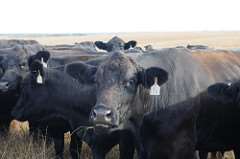
The Kansas State Veterinary Diagnostic Laboratory is looking for Kansas cattle producers to participate in a study to determine the prevalence of bovine anaplasmosis in cow herds within the state and to investigate management risk factors associated with blood test results.
Bovine anaplasmosis is a blood disease caused by Anaplasma marginale which can cause adult-animal sudden death, abortion, weight loss, and a reduction in performance. Animals that become infected and survive become lifelong persistently-infected carriers. As carriers, they often show few or no symptoms and serve as a source of infection to the rest of the herd. Because of the nature of the disease, some herds remain at an unknown infection status.
Several studies have been completed assessing the prevalence of the disease in several U.S. states, but none have been completed in Kansas. The increase in the number of positive cases in Kansas test submissions to the KSVDL from 2013 to 2015 suggests either an increase in bovine anaplasmosis awareness among veterinarians or producers or the prevalence of the disease has increased in certain areas of the state.
In addition to estimating the level of anaplasmosis in Kansas cow-calf herds, this study will also investigate the different A. marginale strains present in Kansas. Differentiation is important because strains differ in the severity of clinical signs they produce, and the only vaccine available contains only one strain. This strain may be different than those present in some areas of Kansas, which might help explain the lack of vaccine effectiveness that has been reported.
The study involves collecting blood samples from 16,100 adult bovines, which will represent 1,610 Kansas cow-calf operations. The samples will be stored, and because they will represent a large portion of the Kansas cow-calf industry, they can be used in the future to discover the prevalence and risk factors associated with several other important bovine diseases including bovine viral diarrhea, Johne’s disease, and bovine leukosis.
Understanding anaplasmosis prevalence and the management factors that contribute to its presence in cow-calf herds will be important for formulating both prevention and disease management plans in the near future. This information will not only be useful for Kansas herds, but herds throughout the United States.
The targeted sampling period will start Oct. 1, 2016 with a targeted endpoint of Jan. 31, 2017.
Kansas veterinary practitioners will be calling on their clients to participate in this study. If you are selected to participate, the KSVDL encourages you to say yes, as your participation is important for the success of the project.
Source:k-state.edu