Will be joined by members of Canada’s cattle and pork industries
By Diego Flammini, Farms.com
Gerry Ritz, Canada’s Agriculture Minister, along with members of the Canadian Cattlemen’s Association, Canadian Pork Council and Canadian Meat Council are heading to Washington to discuss Canada’s opinion when it comes to the hot-button topic, COOL.
COOL, which stands for Country Of Origin Labeling, is an initiative by the United States where any meat sold in grocery stores is required to identify where the animal was born, raised and slaughtered.
"Canada continues to call upon the U.S. to comply with the WTO ruling and eliminate COOL's discriminatory treatment against Canadian hogs and cattle,” said Minister Gerry Ritz in a release. “Our government will always stand with our farmers and ranchers, and we will not shy away from taking whatever steps may be necessary, including retaliation, to achieve a fair resolution.”
The World Trade Organization (WTO) ruling Minister Ritz referred to is in October 2014 when they agreed with Canada and Mexico that putting COOL labels on meat products discriminates against imports. The October 2014 ruling was the third, the others in November of 2011 and June of 2012.
At the time, the Canadian cattle and hog industries estimated more than $900 million in losses and Canadian government officials threatened to put tariffs on meat imports from the United States.
Agricultural trade between Canada and the United States in 2013 totaled $44 billion.
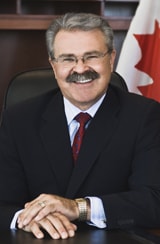
Agriculture Minister Gerry Ritz