Keith Currie comments on three of rural Ontario’s most pressing issues
By Jennifer Jackson
Farmers across rural Ontario have been hit with some hurdles in business operations and ensuring community strength.
Last October, MPAC valuations of farmland significantly increased farm owner’s assessments.
Many rural communities face and are fighting school closures.
Farmers have also been struggling with soaring hydro rates. In early March, Premier Kathleen Wynne announced a forthcoming reduction in hydro bills by some 25 per cent – perhaps welcome news across farming and rural communities.
These factors can affect both farmers’ families and the way they manage their operations.
Farms.com recently caught up with Keith Currie, president of the OFA, to discuss these pressing rural issues and the OFA’s advocacy work.
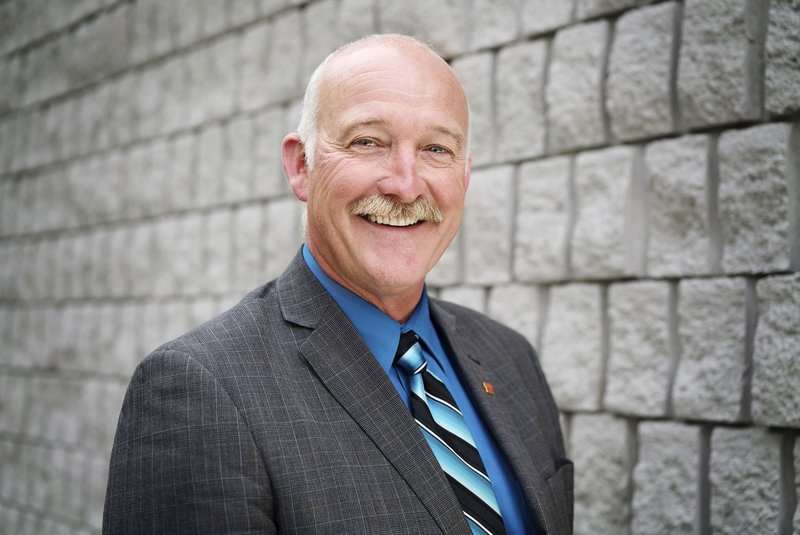
Farms.com (Farms): How is the OFA working with municipalities amidst the rising land value assessments and tax rates?
Keith Currie (KC): Our members are having to deal with an increase in property tax assessments that have come as a result of farm values going up. In some cases, it’s anywhere from 70 to 100 per cent per year over the next four years. (This increase) is putting a fairly large burden on the taxes farmers are having to pay.
(We are) working with municipalities to understand how that is impacting the budget in a positive way. (We are) working with them to try and lower their farm property tax rates from 25 per cent down to a level that they can handle and that’s fair for those municipalities and the farmers.
We are also making sure members understand their tax assessment (so) that they are fair. If (the assessments) are not fair there (is a) process in place (where farmers) can work with the Municipal Property Assessment Corporation to get the correct value of their farms in place.
Farms: Kathleen Wynne, Premier of Ontario, announced her program for hydro relief recently – what is the real impact of this for farmers?
KC: In general terms, (the relief) is positive – any time there is relief of some kind, it is positive. We certainly got the HST rebate/discount last fall, and coupled with the 17 per cent announcement for residential last week, that makes it 25 per cent. For rural Ontario businesses and farmers (however), the real benefit we will see isn’t just the amount of hydro relief, but it is (also) going to be the relief coming from the (discounted) distribution charges. Depending on your service type and the amount (of electricity) you use, we were told by Ontario’s minister of finance (that relief from distribution charges) could potentially be as high as 60 per cent. The distribution (charge that can be very) burdensome on the bill is (now) going to show some signs of relief.
We will have to wait (until the relief takes effect) sometime in June to really understand what the (value is), but we will take (the relief) for now … we have been asking for (it) for quite a while.
(This announcement) still doesn’t address the long-term energy issues that are out there. That’s why we are still working with government for our natural gas push. But, for the time being, hydro relief is welcome … let’s keep working with (the government) to make sure our businesses stay competitive.
Farms: How is the OFA working with the municipalities, school boards and the government to address the school closures?
KC: (School closures are) impacting areas right across the province. We have been talking with the minister of education on how to go about changing the funding formula so they are having actual counts of bodies in the school, and making sure that those numbers are not skewed. (We are also trying to) make sure the ministry is talking with school boards because I think there’s some miscommunication on how money is to be used, what money is for and where money goes.
We’ve been working with an alliance – basically a parent alliance across the province that’s looking at school closures – supporting them and their push to make sure that there’s fair assessment of our schools out there. Some of the closures just don’t make sense.
We need those schools in rural Ontario because they are not just schools for us – they’re day cares and areas of community centres for us. In some cases, it might be (the) local library (or a) meeting centre. It’s very important for all of us in rural Ontario to maintain those schools. On top of that, we don’t want our kids riding for hours and hours on a bus. (A long commute) takes away from their extra curricular (activities) after school which are an important social part of their lives.
We need to take a holistic look at this and see what we can do. We’re certainly working with the groups involved to make that happen.
Photo Source: OFA