Farmer giving her property to winner of essay contest
By Diego Flammini
Assistant Editor, North American Content
Farms.com
Norma Burns, owner of Bluebird Hill Farm in Bennett, North Carolina, is letting the power of the pen (or keyboard) be the deciding factor for who inherits her farm.
Burns is running an essay contest that costs $300 to enter. The essays must be at least 200 words and answer the question "Why we want to own and operate Bluebird Hill Farm.”
Burns, who ran the farm for 18 years, decided she wants to move back to Raleigh for a more urban life. But she wants to leave her farm in good hands.
“To me, there's no better calling in life than raising organic food,” Burns told The News and Observer. “I’m looking for a like-minded couple who have experience and training in organic farming and are willing and able to put in the long days and hard work that farming requires.”
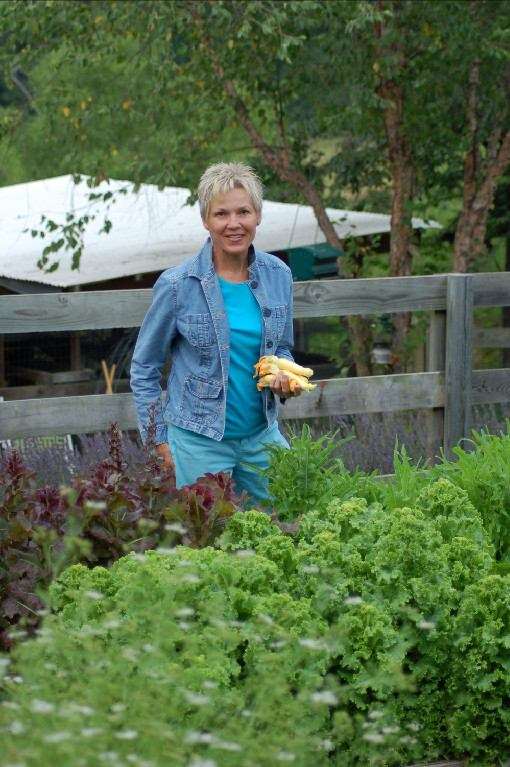
The winning couple will receive her 12.88 acre USDA-certified organic farm where she produced lavender and vegetables, and a Certificate of Title to the property.
They’ll also receive a house and its furnishings, a barn, a shop with tools, a chicken coop, a greenhouse, a 2009 Honda Element and a John Deere 4100 tractor, among other things.
And if enough entries are submitted, the winners will receive a $50,000 cash prize.
According to the contest rules, the farm is valued at around $450,000.
An August 2016 farmland values report from the United States Department of Agriculture says farmland in North Carolina averages about $4,450 per acre. Based on the USDA’s state evaluation, the 12.88 acres of land would be worth about $57,316.
Entries must be submitted by June 1, when they’ll be considered by an attorney, conservationist and agricultural professional.
Burns herself won’t be involved in choosing the winner, which will be announced around June 30.
More information on the contest can be found on the farm’s website.