Sweet potatoes are a fun crop to grow...
They are a plant that likes warm weather. We certainly have had lots of warm weather the last few summers so maybe it is time for you to try sweet potatoes in your garden. In addition to being delicious, they are also highly nutritious.
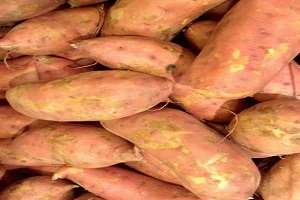
You can purchase sweet potato plants, also call slips, from seed catalogues, nurseries, local greenhouses, or you could start your own. It is easy to start your own if you know a few facts about sweet potato plants. The potatoes that you will use to get your slips from must be stored over-winter in a location that stays around sixty degrees. So it is a good idea to purchase the sweet potatoes this fall.
Move the potatoes to a place that is about 85 degrees for a few weeks about six weeks before you plan to plant the slips into the garden. After a couple weeks you will see the sprouts start to emerge from the skin. After the sprouts have started, move the potatoes to an area that is around seventy-five degrees.
Cover them with two to three inches of loose potting soil or sand. Keep the soil moist and exposed to good light. As the shoots grow, they will develop roots that will help the slips get off to a good start when they are planted in the garden. The shoots are ready to be harvested when they are about 6” inches tall and have some nice roots. In late May or early June, reach down into the soil and break the shoots off as close to the potato as possible. This will ensure that you get enough roots. Plant the slips into the garden immediately.
Another method that also works well is to put a sweet potato in a jar with water and hold it up with tooth picks. Have enough water in the jar to cover about a third to half of the potato. Place the potato in a warm sunny place to initiate sprouting. When the sprouts are about six inches tall, break them off and put them in a couple of inches of water to encourage rooting. Once the slips have roots, they are ready to go to the garden.
Plant the slips about a foot and a half apart in the row. The vines grow to be about five feet wide so give them some room. I usually partially cover the young slips for a couple of days to help them acclimate to the garden.
There are not many insects or diseases that will attack sweet potato plants in your garden. Deer like to eat the leaves so you may have to put some type of barrier up. Rodents will sometimes eat a few of the potatoes once they form later in the summer.
- Sweet potatoes need about the same fertility as tomatoes. The fertilizer should be applied a couple weeks after planting. Keep the weeds out and be ready to water the plants if it gets dry.
- Sweet potatoes are easily damaged by frost. Dig the potatoes before the first fall frost. Dig them carefully. Most of the potatoes will be at the crown of the plant but there will be a few that form farther out. Store your harvest at fifty-five to sixty degrees.
Source: psu.edu