Farms.com Home   Farm Equipment News

John Deere 2017 Residential ZTrak™ Z300 Models Include Improved Capability, Efficiency And Comfort Features

The landscape of the John Deere residential ZTrak™ zero-turn radius mower line takes on a new look with five new models, priced under $3,500.00 – the Z335M, Z345M, Z345R, Z355R and Z375R – that each mow well at fast speeds. Homeowners will appreciate new and step-up model additions to the ZTrak Z300 series featuring improved cut quality, easy-to-use ergonomic controls, enhanced engine performance and upgraded comfort features.
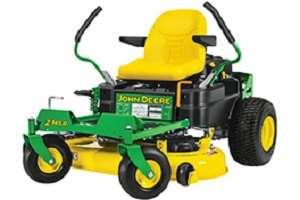


 The Accel Deep™ mower deck, introduced in 2016, will now be available on all Z300 Series residential ZTrak models. Available in 42-, 48- and 54-inch cutting widths, these mower decks will provide homeowners with better grass dispersion and improved cut quality at faster ground speeds.

 "Homeowners are attracted to the speed and overall performance of zero-turn radius mowers, but some perceive ZTRs as too expensive," said Kim Ridel, tactical marketing manager, John Deere. "New for 2017, we're introducing five new residential zero-turn models under $3,500.00 providing homeowners with the speed and performance they need, at the attractive price they want."

 Several enhancements to the ZTrak Z300 series focus on the John Deere commitment to improving the comfort and convenience for homeowners. Comfort enhancements will be noticed across models, such as those on the Z345R, including a medium back seat that doesn't require a tool for seat adjustment, control levers with improved ergonomics, and standard floor mats.

 Additionally, a wider tire option on some models provides a smoother ride and a foot-operated deck lift option allows for quick and efficient engagement of the deck without leaving the operator seat.
 

Click here to see more...

Trending Video

Will the 2025 USDA December Crop Report Be a Market Mover/Surprise?

Video: Will the 2025 USDA December Crop Report Be a Market Mover/Surprise?


Historically, the USDA December crop report is a non-event or another dud report as the USDA reserves any final supply changes to the final report in January of the following year in this case 2026. But after the longest U.S. government shutdown in history at 43 days and no October crop report will they provide more data/surprise and make an exception?
Our China U.S. soybean purchase tracker is now at 26.6% or a total of 3.2 mmt but for traders it’s taking too long to unfold.
The final Stats Canada production report was bearish canola and wheat projection a record crop in both (it adds to the global glut of supplies) and bullish local corn and soybean prices in Ontario/Quebec thanks to a drought. It will not help the fund flow short-term, the USDA may need to offset it?
A U.S. Fed interest rate cut of another 25-basis point next Wednesday (probability 87.1%) could help fund flow and sentiment in stock and ag commodities into year end.
More inflows into Bitcoin this past week saw prices rebound back above 90,000 with support at 82,000 and resistance at 96,000.
A V-shaped bottom in cattle suggest the lows are in after Mexico reported another new world screwworm case. Lower weights, seasonal demand and higher U.S. beef select/choice values with a continued closure of the Mexican border to cattle will result in a resumption of higher cattle futures into yearend.
Australia is expected to produce its 3rd largest wheat crop ever at 36 mmt adding to the global glut of supplies.
Reports of ASF in hogs in Spain the largest pork exporter in Europe could see the U.S. win more pork export business long-term.
If the rains verify into next week of 3-5 inches for Brazil it would go a long way to fixing the dry regions from the last 2-months, but the European weather model has been wrong for the past 2-months!
Natural gas futures are surging to the 3rd price count as frigid hold temps set in.
CDN $ is also surging to end the week on a very resilient economy and better employment numbers suggesting no interest rate cuts next week.
Finally, the CFTC report showed funds were net buyers of soybeans but sellers of corn, canola and wheat. In real time the funds have gone back to selling as they take some profits.