By C.J. Crockett and Christina Sergy
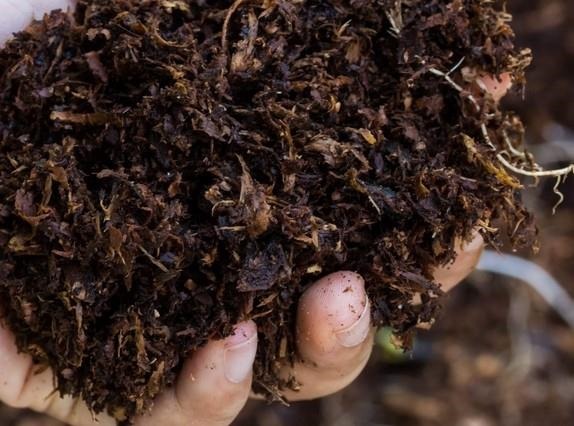
Soil, rather than dirt, is a living ecosystem that supports plant life. When soil is healthy and aerobic, it protects plants from disease, retains and gives access to nutrients, decomposes toxins, and builds soil structure.
One very important component of healthy soil is organic matter.
Soil scientists teach us that regular additions of organic matter, such as leaf litter, compost, mulch, worm castings, etc., contribute to making the soil that perfect loam that we all wish to attain. Organic matter attracts and feeds the crucial components of the soil food web. As it decomposes, it feeds fungi, bacteria, and nematodes. These in turn feed the next level of microorganisms, and on and on up the food chain. During this feeding frenzy, the byproducts produced are oxygen and essential nutrients that are now accessible by plants. Additionally, good soil structure is created in the process, allowing for air and water migration and then storage, thus allowing better access to the plant's root system.
How can you tell how healthy your soil is?
Look at it. Smell it. Touch it. Are there nice dark chunks of matter that crumble in your hand? Do you see worms? How about other signs of insect activity or tiny bright white feeder roots? Does it smell earthy? These are all signs of soil that's doing well. Conversely, if your soil is a dusty light brown and seems lifeless, or is black and smells putrid, these are definite signs that remediation is in order.
You may choose to have your soil tested to see its specific nutrient structure and amend accordingly. The truth is that by creating a healthy aerobic soil, you can help ensure that your plants get what they need to thrive. As it turns out, Mother Nature knew how to do it all along.
Source : ucanr.edu