From Machinefinder News
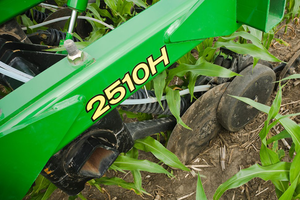
Soil temperature is a more important factor to the fall nitrogen application process than harvest progress, according to the MDA.
The Minnesota Department of Agriculture (MDA) sent out a notice on Sept. 23, advising local farmers and fertilizer applicators to verify soil temperatures before using ammonium-based nitrogen fertilizers this autumn. The timing and temperature may impact how the chemicals break down in the soil.
Temperature is typically measured at a six-inch depth. This is the same depth that anhydrous ammonia is usually applied to the soil. The MDA has established 21 real-time soil temperature monitoring systems to help farmers target the 50-degree mark. This temperature is a part of the best practices associated with applying ammonium-based nitrogen fertilizers.
“In areas where fall nitrogen applications are appropriate, soil temperature, not harvest progress, should be your guide of when to apply,” said Bruce Montgomery, manager of the MDA Fertilizer Management Section. “Waiting until soil temperature stays below 50 degrees Fahrenheit before applying anhydrous ammonia and urea increases the availability of nitrogen to next season’s crop and decreases the amount of nitrate that could potentially leach into groundwater.”
Soil temperature in northern Minnesota usually reaches 50 degrees around the first week of October. It hits this temperature near the fourth week of October in southern Minnesota.
Click here to see more...