By Kaylee Wheeler
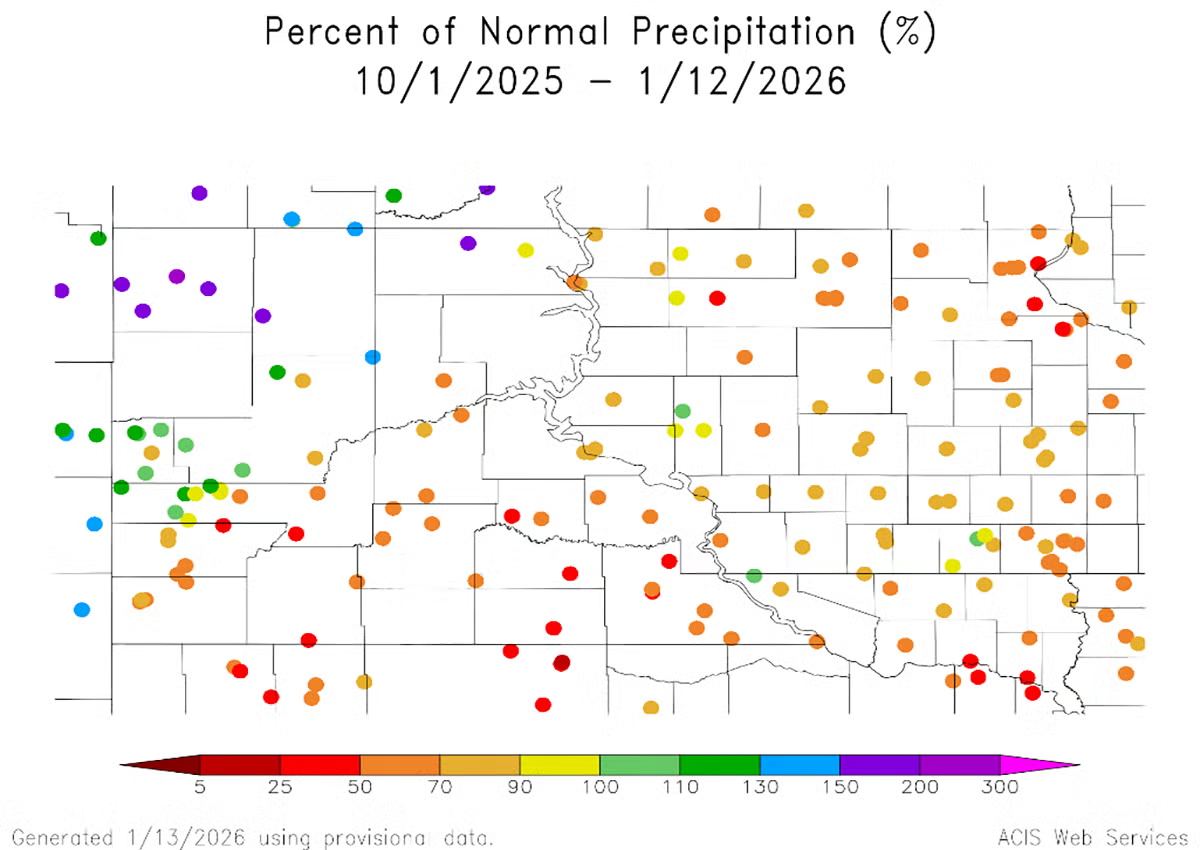
So far, the dormant season has been drier and warmer than average across the state of South Dakota. Many areas of the state have received 70% or less than normal precipitation, while isolated areas in the Northwest have been well above average since October 1, 2025 (Figure 1). Additionally, the dormant season has brought above average temperatures since October 1, 2025 (Figure 2). Many areas across the state still have thawed soils at this point.
The 4-week Evaporative Demand Drought Index (abbreviated as EDDI) ending January 7, 2026 is notable, because it shows that the thawed soil, warmer temperatures, and lack of dormant precipitation is drying out the soil (Figure 3).
Evaporative demand essentially refers to the “thirst of the land” based on both local temperatures and precipitation amounts. This map is used to indicate the potential for drought conditions to emerge. It’s important to regularly assess these metrics as the spring season gets closer.
Source : sdstate.edu