By Diego Flammini, Farms.com
A turkey farm in Boone County, Arkansas that houses around 40,000 turkeys has been confirmed as having the H5N2 strand of avian flu.
As a result, the farm has been quarantined.
“This is the reason the commission exists,” Bruce Holland, executive director of the Arkansas Livestock and Poultry Commission told the Arkansas Democrat-Gazette. “I think we’ve had a good, swift response and we hope there aren’t any outbreaks in the rest of the state.”
Surviving turkeys will be euthanized to prevent them entering the food system.
Some of the turkeys from this farm were supplied to poultry giant Butterball, whose turkeys are a mainstay in grocery stores around holidays throughout the year.
Current data from the United States Department of Agriculture’s (USDA) National Agricultural Statistics Service (NASS) shows Arkansas produced approximately 29 million turkeys in 2014, second behind Minnesota’s 45 million.
There could be economical impact as a result.
Since January, China hasn’t accepted any poultry imports from the United States and Mexico, the top importer of US poultry products expanded bans to other states affected by the avian flu. Arkansas alone is responsible for about 3.5 billion metric tons of poultry, valued at about $4.6 billion globally.
The confirmation of the bird flu in Arkansas comes just days after the Missouri Department of Agriculture reported a similar finding at two farms who also supply Butterball with some turkeys.
In 2013, Missouri produced about 17 million turkeys.
Do you have turkeys on your farm? Join the conversation and tell us what measures you’re taking to make sure your birds don’t contract avian flu.
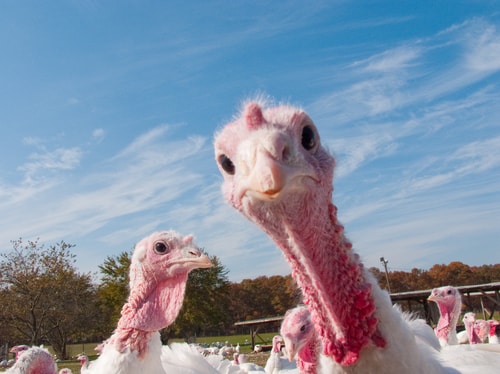
Turkeys