Minister of Agriculture participated in a roundtable discussion
By Diego Flammini
Assistant Editor, North American Content
Farms.com
Farmers in Eastern Ontario participated in a roundtable discussion with Ontario Agriculture, Food and Rural Affairs Minister Jeff Leal and the conversations focused on the summer drought.
According to the Brighton Independent, Leal called the current situation a “crisis.” He said he understands “the depth of the challenge” producers are facing.
Many farmers provided the minister with personal accounts of the struggles they’re facing.
Doug Gray, a beef farmer from near Caslteon, said he used to get four bales of hay per acre, and this year only got half of a round bale per acre.
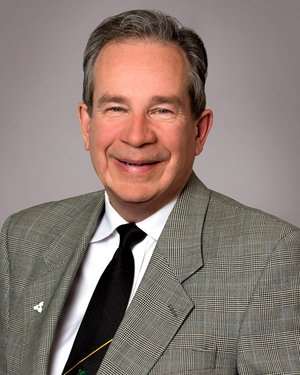
Jeff Leal
According to the Brighton Independent, Gray’s culled five cows from his 85 head and is short nearly 400 bales of hay.
Dan Darling, a farmer near Morganston, told the roundtable that he’s spending between $200 and $500 per week to have water delivered to his cattle.
Arlene Dorland, whose farm hosted the roundtable, said it is imperative farmers receive a quicker payment of crop insurance claims.
“We’ll do all we can to expedite it,” Leal said according to the Brighton Independent.
He said his takeaway is that farmers are looking for government assistance sooner than later.