Water use could be cut by as much as 25%
By Diego Flammini, Farms.com
As California battles one of the worst droughts ever on record, everyone is being encouraged to do their part to conserve water, including farmers.
In what is being called a very surprising move, farmers in California are voluntarily reducing their water use to save themselves from possible mandatory cuts later on in the growing season.
Some farmers have the oldest water rights in the state and will reduce their usage by 25%, or leave that much of their farm unplanted.
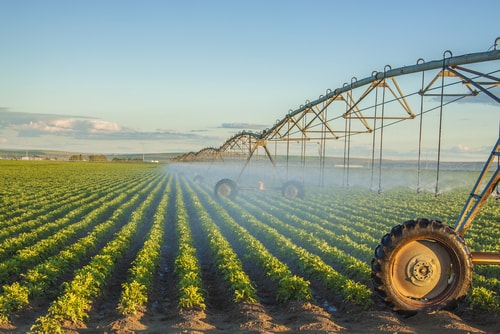
Farmers have until June 1 to describe how they will go about cutting their water use. Under the agreement, the state said it will not cut the remaining 75% of water.
According to the California Environmental Protection Agency’s State Water Resources Control Board, “a water right is a legal entitlement authorizing water to be diverted from a specified source and put to beneficial, nonwasteful use. Water rights are property rights, but their holders do not own the water itself.”
This unprecedented agreement could have the most impact on farmers whose operations fall in the Sacramento-San Joaquin River Delta. California’s Department of Water Resources estimates that nearly 25% of the state’s river water runs through the delta.
According to the United States Drought Monitor, almost 100% of California is under some form of drought, with 92% being considered severe and 46% under the exceptional drought category.
Tell us your thoughts on farmers in California agreeing to cut their water use by 25%. What impacts do you think this could have going forward?