Rural internet becoming hot button issue for farmers
By Diego Flammini
Assistant Editor, North American Content
Farms.com
An April 12 CBC article about the Canadian Radio-television and Telecommunications Commission (CRTC) and the organization’s uncertainty when it comes to regulating internet speeds and service across the country has farm organizations in Ontario and Saskatchewan concerned.
“You have to be able to get internet before you worry about how much speed you’re getting,” said Norm Hall, president of Agricultural Producers Association of Saskatchewan. “There are parts of Saskatchewan where internet and cell phone coverage is non-existent.”
“Perhaps we shouldn’t be going for a minimum internet speed, but a minimum customer standard,” said Peter Sykanda, farm policy researcher with the Ontario Federation of Agriculture. “If we talk about a minimum standard, that’s what you’ll get and by the time you get that, it’s too slow or obsolete.”
“Let’s hold the ISPs accountable for providing the service that customers want,” Sykanda said.
Silo Wireless, Xplornet and Kwic Internet are a few of the internet providers who market themselves to the rural community, but even they face certain challenges.
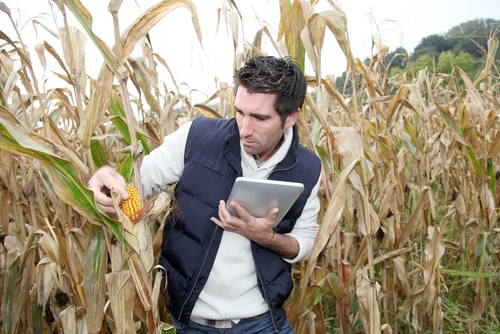
“That’s the million dollar question,” Hall said. “There are places where there aren’t many people, but they need internet and cell phone coverage like the rest of the population. For a company to put up a tower costs thousands of dollars to cover a few people. But for the farmers running the multi-million dollar businesses, that coverage and service is a necessity.”
Both Hall and Sykanda encouraged farmers to get in contact with local, provincial and federal farm organizations to bring the issue of rural internet service to the forefront.
During the federal budget announcement in March, Minister of Finance Bill Morneau outlined a $500 million investment over five years to “extend and enhance broadband service in rural and remote communities.”