Innovations and issues among topics she will cover
By Diego Flammini, Farms.com
The 2015 Precision Ag Conference is well underway at the Best Western Lamplighter Inn in London, Ontario.
Exhibitors like Farm Credit Canada, Devolder Farms, Northern Equipment Solutions and Cargill are showcasing their latest agricultural technology to the hundreds of visitors sure to walk through over the two-day conference.
In addition to the exhibitors, there will be many breakout sessions and panel discussions for visitors to take in.
The speakers include J.P. Gervais, Chief Agricultural Economist from Farm Credit Canada, Kaye McLagan from Premier Equipment, Monsanto’s Canadian Trait Launch Lead, Dan Wright and the keynote speaker Lisa Prassack, an agri-food innovation expert and data strategy consultant. She will delve into her more than 20 years of experience to inform and educate farmers about many issues and innovations revolving around precision agriculture.
One innovation Prassack will touch on is the speed at which farmers will be able to know if their operation is profitable.
“Historically farms have been able to figure out if they’re going to be profitable by the end of the year,” she said. “Because we’re starting to make sure the data can flow through a system that a grower can see or their agronomist can see. New precision farming tools are going to let them know in season.”
One of the major concerns Prassack will point out is security.
“People are worried about who has their data, where it’s going, how it’s being used,” Prassack said. “They want to share with their banks, crop insurers and agronomists. They want to decide who gets to see their data.”
Prassack will also talk about new technology that to employ today would be very expensive, but as time passes could come down in cost and be of use to farmers.
“What the US military does with ground sensor technology is spread it in a big area and it can identify whether a goat, tank or people are going over it,” she said. “Super expensive today but imagine what that would look like in 10-15 years on a farm.”
Prassack will talk about technology of the past, present and what the future holds for precision agriculture. Her breakout session will begin at 8:00am Thursday morning.
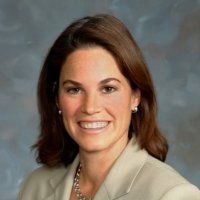
Lisa Prassack