The soccer tournament kicks off Friday
By Diego Flammini
Staff Writer
Farms.com
The kickoff of the 2020 Union of European Football Associations (UEFA) European Championships, also known as the UEFA Euro Cup, is a little more than two days away.
This past week, Farms.com has looked at each of the 24 countries involved in the tournament and predicted which ones would move onto the knockout stage of the competition.
Farms.com determined the advancing teams using available ag data.
Countries where agriculture is a higher percentage of its overall GDP will move onto the second round of the tournament and so on.
Analysis of Groups A, B and C can be found here.
Click here for the analysis of Groups D, E and F.
With all the number crunching out of the way, here is Farms.com’s 2020 Euro Cup bracket.
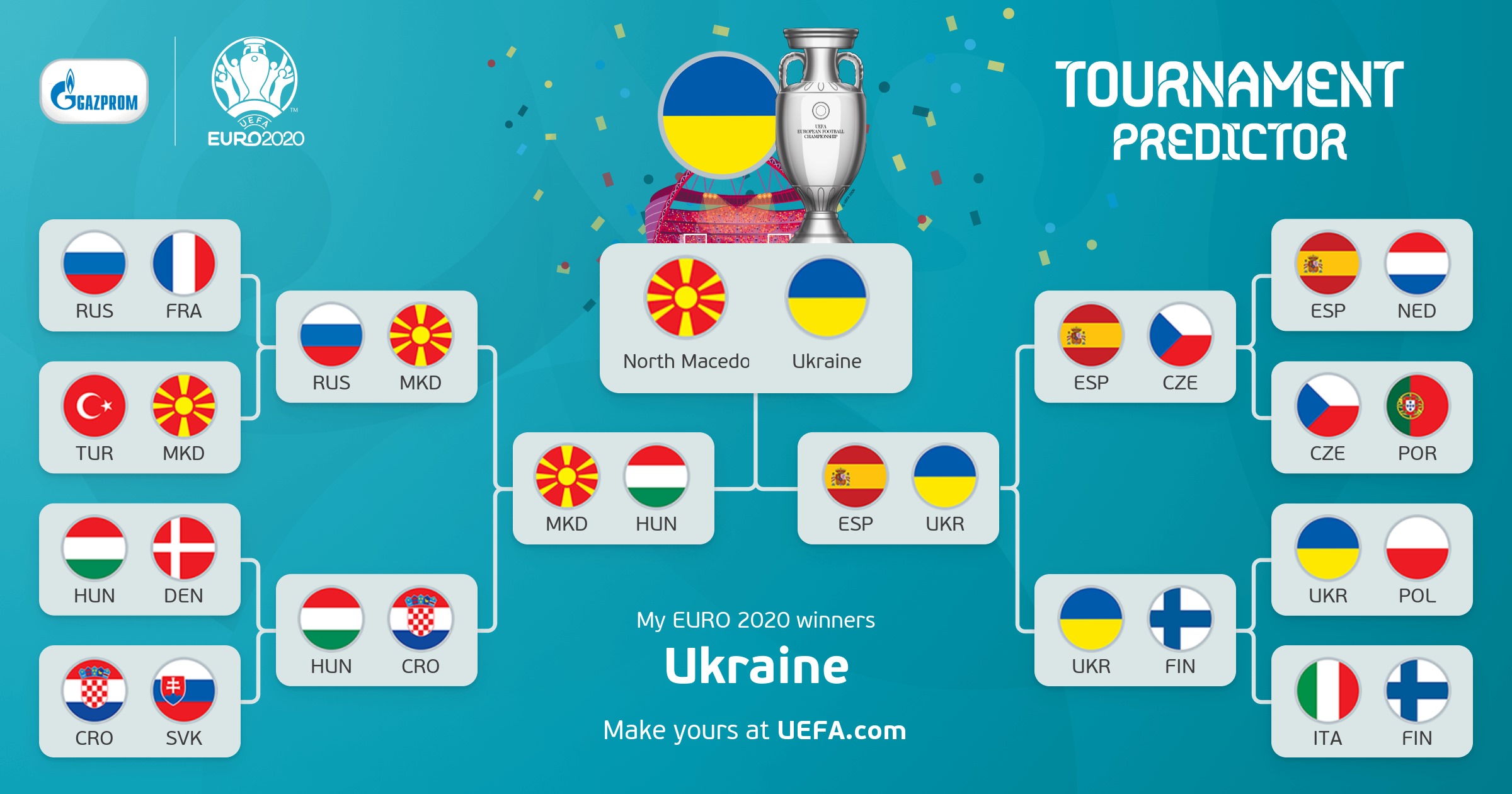
Based on available ag information, Ukraine will win the 2020 Euro Cup.
Agriculture accounts for about 12.2 percent of the country’s total GDP and crop farming is responsible for about 73 percent of the country’s total ag output.
Ukraine is the fourth largest exporter of corn and barley and the sixth largest exporter of wheat.
Its output is estimated to reach 70 million tons and 78 million tons of cereals and soybeans respectively by 2024.