The U.S. corn crop also continues to silk
By Diego Flammini
Assistant Editor, North American Content
Farms.com
U.S. soybeans are starting to set pods, according to the USDA’s latest Weather and Crop Bulletin for the week ending July 9.
7 percent of the total U.S. soybean crop is setting pods. That number is up from the 5 percent five-year average.
On a state level, 67 percent of Louisiana’s soybean crop is setting pods. That number is the highest of the 18 states documented.
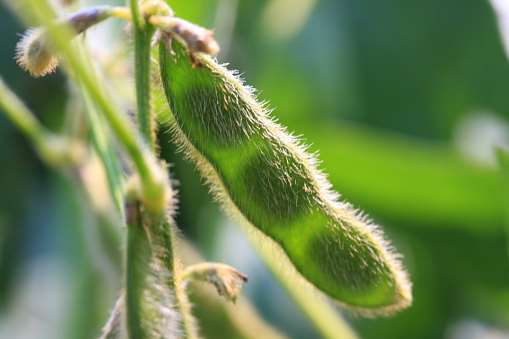
54 percent of the soybeans in Arkansas and 38 percent of soybeans in Mississippi are also setting pods.
Soybeans continue to bloom across the U.S.
Nationally, the USDA reported that 34 percent of soybeans are blooming. That number is up from the five-year average of 32 percent.
87 percent of Louisiana’s soybean crop is blooming, according to the report. That’s the highest percentage of the recorded states.
Wisconsin and Kentucky have the lowest percentage of soybeans blooming, each with 22 percent.
When it comes to the soybean condition, USDA rated 52 percent of the national crop as good.
Corn
19 percent of the U.S. corn crop is silking, according to the USDA’s report. That number is down from the 27 percent five-year average.
USDA reported 87 percent of North Carolina’s corn is silking, which the highest of the documented states.
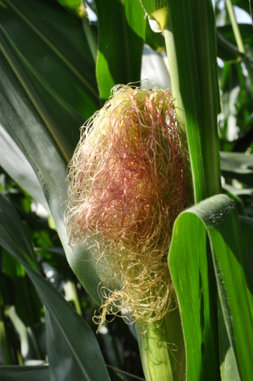
And 52 percent of the total corn crop is rated as good, according to the USDA.
Wheat
Farmers have harvested 67 percent of the U.S. winter wheat crop, the USDA reports.
That number is up from the five-year average of 65 percent.
On a state level, farmers have harvested all of the winter wheat in Arkansas.
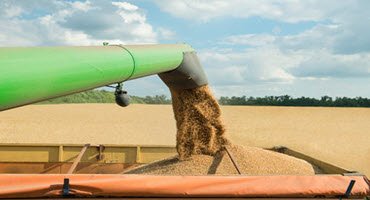
Farmers in Idaho haven’t harvested any winter wheat yet, according to the USDA.
When it comes to spring wheat, USDA reports 79 percent of the total U.S. crop has headed.
That number is up from the five-year average of 74 percent.
98 percent of the spring wheat crop in South Dakota has headed. That’s the most of the six states recorded.
And USDA ranked 29 percent of the U.S. spring wheat crop as good.
Fieldwork Days
The states with the most suitable fieldwork days for the week ending July 9 were:
California, Washington, Utah and Arizona – 7
Montana – 6.9
Idaho – 6.8
Wyoming, Colorado and North Dakota – 6.7
The days with the fewest suitable workdays were:
Tennessee – 2.3
Alabama – 3.4
Arkansas – 3.6
Kentucky – 4
Precipitation for the week ending July 9
State | Precipitation (in inches) | Weather Station |
Illinois | 0.74 | Peoria |
Indiana | 1.33 | Fort Wayne |
Iowa | 1.03 | Burlington |
Kentucky | 2.97 | Lexington |
Michigan | 0.95 | Houghton Lake |
Missouri | 1.10 | Columbia |
New York | 0.71 | Syracuse |
Ohio | 3.27 | Dayton |
Pennsylvania | 2.04 | Allentown |
Tennessee | 2.59 | Chattanooga |