Money will support education, competitiveness and agribusiness viability
By Diego Flammini, Farms.com
In an effort to support specialty crop growers in New York, 10 projects throughout the state have been awarded a total of $1.2 million through the Specialty Crop Block Grant Program.
New York Commissioner of Agriculture Richard Ball can appreciate first-hand how important the crops and the funding is.
“As a specialty crop farmer, I know how important these crops are,” he said. “These grants will help improve access to healthy food and help farmers solve difficult problems that will result in a safer and more efficient food supply. Together, we’re tackling some of the most challenging issues in the state’s food supply and making remarkable progress.”
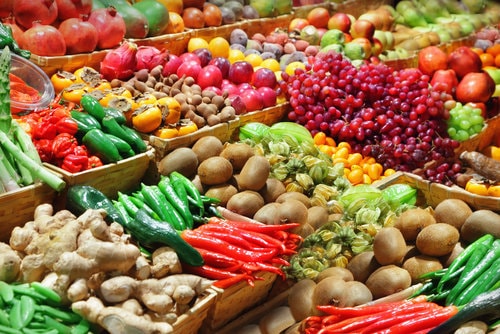
Specialty crops include many agricultural commodities including fruits, vegetables, herbs, flowers, shrubs and commercially grown trees. In addition to the specialty crop grants, the New York Department of Agriculture and Markets will put four statewide projects into place aimed at increasing sales and marketing opportunities for specialty crop growers.
Six of the 10 funded projects are based at Cornell University and include:
- $105,568 to increase consumer demand for fresh and local vegetables by helping farmer entrepreneurs who can practice controlled environment agriculture.
- $51,916 to help farmers reduce pesticide usage by up to 40% and offer training courses on the newest spray application technologies.
- $109,829 to help apple growers in New York use precision management procedures to reduce loss and produce a higher percentage of Honeycrisp apples that meet fresh market criteria.
Other projects include initiatives to educate consumers about the benefits of specialty crops and increasing specialty crops in farm-to-school plans.
Join the discussion and tell us your thoughts about the specialty crop grants for New York.