By Alejandro Plastina
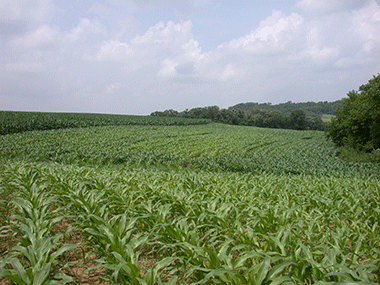
Iowa State University Extension and Outreach is hosting multiple farmland leasing meetings during July and August at various times and locations throughout Iowa. The annual meeting is offered to address questions that land owners, tenants or other interested individuals have about leasing farmland.
Topics will include land values and cash rent trends, cost of production, methods for determining a rental rate, legislative updates regarding leases, and communicating with tenants or landlords.
“More than half of Iowa’s farmland is rented, and strong landlord/tenant relationships are important for the long-term viability of Iowa’s valuable farmland,” said Alejandro Plastina, assistant professor of economics and extension economist at Iowa State University. “Cash rent values across the state of Iowa have declined for the third consecutive year, dropping by 6.5 percent from 2015. Every crop reporting district in the state saw a decline in rental prices.”
The three-hour workshop is designed to assist landowners, farm tenants and other agri-business professionals with current issues related to farmland ownership, management and leasing arrangements. Attendees will gain a better understanding of current cash rental rate surveys and factors driving next year’s rents such as market trends and input costs.
A 100-page workbook is compiled for the programs, with resources regarding land leasing agreements such as surveys, sample written lease agreements and termination forms, along with many other publications.
Attend a local farmland leasing meeting
The leasing meetings being held across Iowa are facilitated by ISU Extension and Outreach farm management specialists. A listing of county extension offices hosting the meetings is available online with additional information available through the Ag Decision Maker website.
For registration information, contact your ISU Extension and Outreach county office. Pre-registration is encouraged as an additional $5 fee may be added if registering less than two calendar days before the meeting date.
Source:iastate.edu