By Kyle Dawson
Expectations are high for this year’s Georgia pecan crop, according to University of Georgia Cooperative Extension pecan specialist Lenny Wells.
Despite Hurricane Hermine’s presence in south Georgia on Sept. 2, which led to damaged pecan trees throughout south and southeast Georgia, from Thomas County through Screven County, Wells projects this year’s crop to yield more than 100 million pounds.
“It’s one of the better crops we’ve had in a while,” Wells said.
One reason for Wells’ optimism is Georgia’s lack of rain this summer. The lack of moisture meant a sharp decline in pecan scab disease pressure. Scab results from a fungal pathogen that overwinters in the tree. When temperatures warm up in the spring, the fungus becomes active and produces new spores, which are spread by rain and wind.
Georgia’s drought-like conditions this summer meant few, if any, spores were spread from one tree to another.
“As long as the farmers had irrigation, many places actually benefitted from the lack of rain because they didn’t have much scab and they didn’t have to go out and spray as often,” Wells said. “It’s a little variable on the disease side, but overall, it’s been a fairly dry year.”
It was dry until the first days of September, when Hurricane Hermine moved through Georgia and dropped more than 5 inches of rain in some counties. Wells said the storm damaged pecan trees on a path starting in Thomasville, Georgia, then went east and later north as far as Screven County. Wells said Berrien County, Georgia, experienced the most damage due to wind.
“There were some growers in the Berrien County area who had more than 1,000 trees laid down because of the wind,” Wells said. “Most of these trees were 15 years old and younger.”
The 15-year-old trees tend to blow over more often because they have enough foliage to catch a lot of wind, but don’t have a strong enough root system to hold the trees in place, according to Wells. However, the wind doesn’t have to blow the tree over to cause damage.
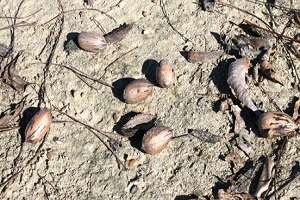
“Most of the growers I’ve heard from have reported about 30 percent of the nuts being blown or shaken out of the tree by the wind,” Wells said. “There’s also a lot of large limbs down.”
With the combination of strong winds and heavy rainfall, pecan trees are vulnerable to damage. Even if the trees stay upright, the nuts in the tree that are nearing harvest time can be damaged.
“In the past, storms have come through and, even if nuts stay on the tree, they sometimes can get beaten around so much that it damages the nut,” Wells said. “Wind can also disrupt the root system, which has a delayed, negative effect.”
Source: uga.edu