Changing beef markets call for even more genetic focus.
“As we go forward, especially in times of tight margins and the risk that we have in the marketplace,” said Allan Sents of McPherson County Feeders, “anything that can be done genetically to narrow that down and to focus on some of the premiums that are possible that way I think gives the cow/calf producer especially a great advantage perhaps as much as anyone in the industry to take advantage and to be rewarded for the effort that they can put into improving genetics that way.”
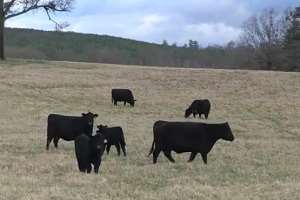
The cattle feeder gives credit to cow-calf producers for the improvement in quality over the years.
“Genetics is a huge factor and we know that there is great variation even within breeds in terms of genetic potential of the cattle,” McPherson said. “Even this spring we had two loads of cattle that graded 40% Prime, and so that speaks…those were both from producers that have put an emphasis on quality and it’s just interesting and encouraging to see what progress can be made as people focus on those things. And then to not lose track of the cutability and growth factors that are important as well, too.”
The crew at this Marquette, Kansas feedyard works to manage the animals in a way that makes the most of their genetics.
“That’s one thing a smaller operation of our size, we can focus more on individual sorting and attention to customers and knowing a history of them, too, and what their cattle are capable of,” McPherson said. “And so we do actively sort cattle to try and maximize their potential and harvest them before they have been around too long.”
Click here to see more...