There’s never been a better time to seed forages on marginal field acres
Seeding perennial forages on marginal field acres isn’t new, but the practice is gaining ground with Ducks Unlimited Canada’s (DUC) Marginal Areas Program (MAP).
Trevor Plews, head of conservation programs with DUC’s Saskatchewan operations, helped launch the initial program in 2017. “Through MAP, we’ve been paying farmers a financial incentive to plant forages on marginal lands that are prone to salinity and other challenges,” Plews explains. “These days, with increasing weed issues along with the new forage seeding options that are available, there’s never been a better time to seed forages on marginal field acres.”
The prairie battle with kochia
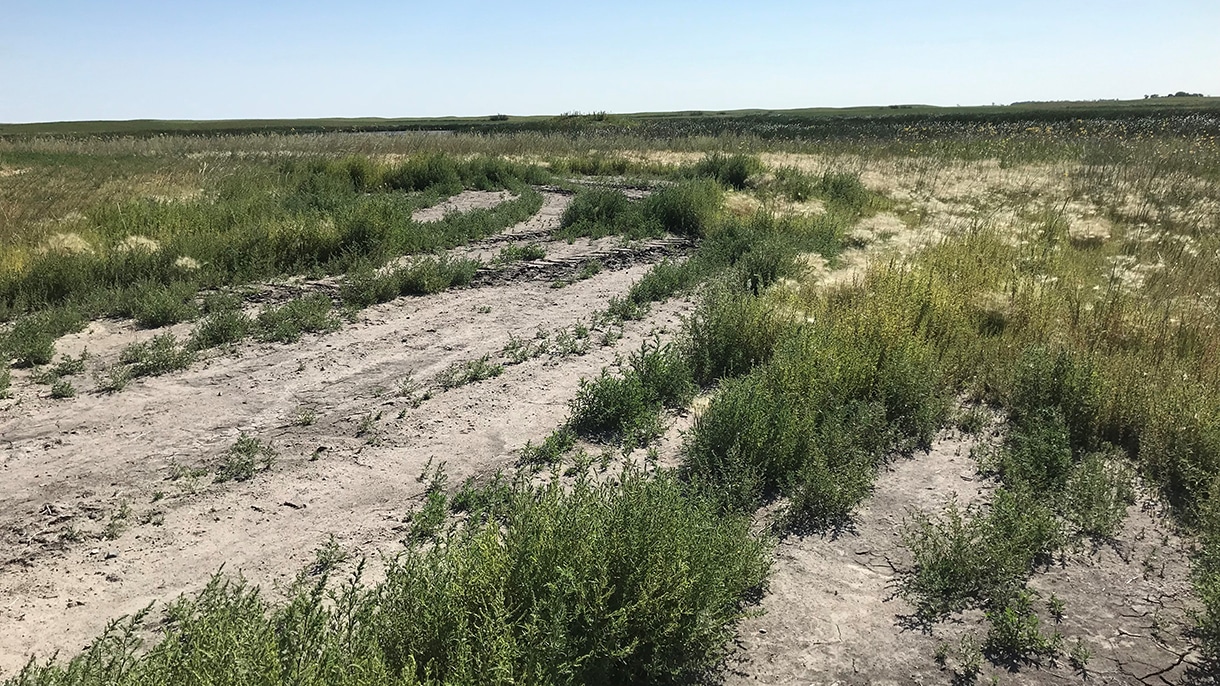
Saskatchewan farmers know that when it comes to weeds, kochia is one tough nut to crack. This invasive plant thrives in heat, drought, and salt-affected soils, and emerges earlier in spring than other plants. Combined with a prolific seed production of 10,000 to 25,000 seeds per plant and seed dispersal via tumbleweed, it’s no wonder kochia is invading additional acres of Saskatchewan farmland each year.
Once effective control, herbicides now struggle to keep pace with kochia’s ability to adapt. In 2011, glyphosate-resistant kochia was first detected in Western Canada, and by 2019, 87% of surveyed sites in Saskatchewan showed resistance. With resistance now confirmed across multiple herbicide groups, chemicals alone can no longer be relied on to control this aggressive weed.
Click here to see more...