Farms.com Home   Ag Industry News

OMAFRA releases latest Field Crop Report 3 Aug 2016

Report was issued August 3

By Diego Flammini
Assistant Editor, North American Content
Farms.com

OMAFRA’s Field Crop Team released its latest Field Crop Report on August 3. The sporadic rains across the province are helpful - but are localized.

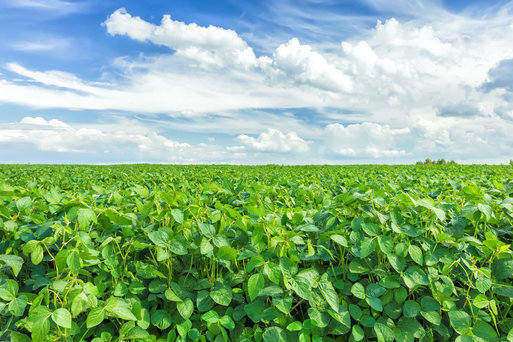
“Areas that have received rain are obviously doing better with the rains coming at a critical point in corn pollination and helping to extend the soybean pollination,” the report reads. “In regions where rain have failed to develop or where only small amounts of rain have been received, the crops continue to struggle.”


When it comes to forages, second cut harvest is either finished or currently underway, with some farmers placing quantity before quality.

“It appears that some producers may be sacrificing quality to get volume with delayed cutting.”
Field
Getty

The Field Crop Team reminds producers that to get new growth started with any coming rains it's important to harvest the current crop, regardless of quantity.

The winter wheat harvest in Ontario is wrapping up, and yields in the southwestern part of the province have excelled. However, the same can’t be said for other parts of the province.

“Lower yields are being reported in (the) central and east regions,” the report says.

Farmers completing their spring cereal harvest are reminded that the dry conditions make fields vulnerable to fires.

“Take the time to ensure you are reducing the risk,” says the report. "The alternative can be extremely costly in terms of crop and infrastrucutre losses."


Trending Video

What Does 20 MILLION Hogs a Year Look Like?

Video: What Does 20 MILLION Hogs a Year Look Like?


?? The Multi-Plant System Processing 20 Million Hogs Annually in the Midwest JBS USA operates multiple large-scale pork processing facilities across the Midwest, including major plants in Iowa, Minnesota, and Indiana. Combined, these facilities have the capacity to process approximately 20 million hogs annually.

Each plant operates high-speed automated slaughter systems capable of processing up to 20,000 head per day, followed by fabrication lines that break carcasses into primals, sub-primals, and case-ready retail products.

Hog procurement is coordinated through electronic marketing platforms that connect regional contract finishing operations and independent producers to plant demand schedules. This digital procurement system allows for steady supply flow and scheduling efficiency across multiple facilities.

Processing plants incorporate comprehensive food safety systems, including pathogen intervention technologies, rapid chilling processes, and integrated cold-chain management. USDA inspection is embedded throughout the harvest and fabrication stages to ensure regulatory compliance and product integrity. Finished pork products — from bulk primals to retail-ready packaged cuts — are distributed through coordinated logistics networks serving domestic and export markets.