Different states help keep Thanksgiving dinners bountiful
By Diego Flammini, Farms.com
Many households across the United States will host families and friends for Thanksgiving dinner to celebrate the harvest and good health while engaging in family traditions.
Arguably the best part about Thanksgiving celebrations is the meal. A seemingly never-ending supply of delicious food and desserts almost guaranteed to add a few numbers to the scale.
Thanksgiving meals wouldn’t be possible without the farmers who produce the items that are transformed into delicious fare. Luckily for everyone, farmers from across the United States contribute to making Thanksgiving dinners a possibility.
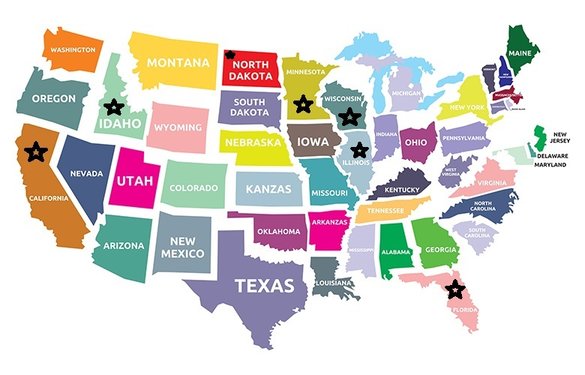
The Food Network’s “Classic Thanksgiving Menu” includes squash soup, turkey, mashed potatoes, green bean casserole, glazed carrots, cranberry sauce and pumpkin pie. Luckily for everyone, farmers from across the United States contribute to making Thanksgiving dinners a possibility. Farmers from different states help make the Food Network’s menu possible and Thanksgiving celebrations to remember.
Squash Soup
When it comes to making squash soup, farmers in Florida lead the way in terms of production. In 2014, Florida farmers planted 7,000 acres and harvested 6,800 of squash. The total value of Florida’s squash in 2014 was more than $40 million.
Turkey
The star of every Thanksgiving meal is the turkey and farmers in Minnesota produce the most turkey in the United States. In 2014, there were 237 million turkeys with Minnesota producing 45.5 million birds. Minnesota turkey farmers help generate upwards of $800 million for the state’s economy.
Potatoes
No Thanksgiving dinner can be complete without a potato dish and it’s farmers in Idaho that grow the most potatoes in the United States. In 2014, Idaho harvested 320,000 acres of potatoes, worth more than $956 million. When it comes to sweet potatoes (yams) it’s farmers in North Carolina that top the production charts. In 2014, North Carolina harvested 72,000 acres worth of sweet potatoes, valued at more than $354 million.
Green (Snap) Beans
Green, or snap beans, are a staple on many Thanksgiving dinner tables and the farmers from Florida are responsible for producing the most green beans in the United States. Production in 2014 exceeded more 26,000 acres harvested and valued at more than $77 million.
Carrots
Carrots glazed with many different ingredients can be a great part of Thanksgiving dinners and most of the carrots in the United States are produced by farmers in California. In 2014, California farmers planted 66,500 acres and harvested 65,500 acres of carrots. The total value of carrot production in 2014 was worth more than $574 million.
Cranberries
A forkful of food can be made extra delicious when there’s cranberry sauce to accompany it. Most of the cranberries in the United States are grown by farmers in Wisconsin. In 2014, farmers harvested 20,400 acres of cranberries that had an estimated total value of more than $144 million.
Pumpkins
After the meal has been served and there’s coffee or tea brewing, it’s time for dessert. A staple of Thanksgiving dessert offerings is pumpkin pie. The most pumpkins in the United States come courtesy of farmers from Illinois. In 2014, 19,800 acres of pumpkins were harvested, totaling more than $47 million in production.
Farms.com would like to extend a Happy Thanksgiving to everyone celebrating in the United States and a special thank you to the farmers who make the meals possible.