Survey from 2016 shows producers are worried about mental health
By Diego Flammini
Assistant Editor, North American Content
Farms.com
With Jan. 25 recognized as #BellLetsTalk day on social media, mental health is front and centre of many conversations.
And, according to a 2016 survey conducted by the University of Guelph, farmers are among the most vulnerable when it comes to mental health.
Professor Andria Jones-Bitton in the Department of Population Medicine conducted the survey. It consisted of more than 1,100 responses between September 2015 and January 2016.
Similar studies have been conducted in Norway and England. According to the U of G study, Canadian farmers are more stressed than their European counterparts. Stress, anxiety, depression and burnout are also all higher among Canadian farmers than other groups studied for mental health.
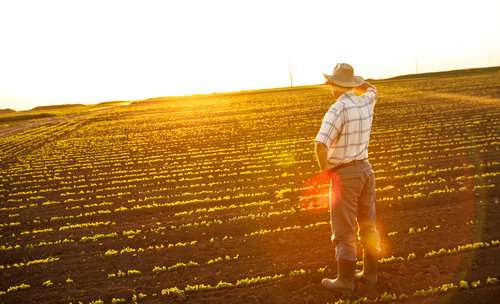
Bitton said the responses indicate working in agriculture can significantly impact a farmer’s mental health.
“One said, ‘We are not invincible, but we feel we must be’. Another said, ‘What makes me the most upset is that I have everything I dreamed of – love, family and a farm – and all I feel is overwhelmed, out of control and sad,’” she explained in a release on June 28, 2016.
Other findings include: 45 per cent of respondents had high stress; 58 per cent reported having some level of anxiety; and 35 per cent had depression.
According to the survey, many farmers feel they need more resources for mental health support. But 40 per cent of respondents said they’d worry about what their peers thought if they knew a fellow producer was seeking mental health help.
“We need to do something,” Jones-Bitton said. “Farmers want help, and we’re going to find ways for them to receive it.”
Here are some strategies that could help farmers battling mental health:
Joining a support group – Connecting with other people facing similar challenges can help someone understand they are not alone.
Keeping a journal – Keeping daily notes can help people understand what may trigger mental health symptoms. It can also act as a way to privately explore feelings.
Physical activity – Exercising can help the body release endorphins (feel good hormones) and provide stress relief.
Reading – Picking up a good book and escaping reality can help someone de-stress.
Talking to friends – Having friends who are willing to lend an ear can help someone get through tough times.
Farms.com has reached out to Professor Jones-Bitton for more information regarding mental health in the ag community.
If you would like to share your story about mental illness, Farms.com can help you do so.