Despite shifts towards vegan and vegetarian diets in Western cultures, demand for animal protein persists. Alternative protein sources are required to nourish the growing world population without compromising on sustainability. Researchers at the University of Göttingen and the University of Alberta, Edmonton, Canada, investigated consumer preferences of alternative feedstuffs. Specifically, the researchers looked at the effect of information regarding algae and insects in the food chain. The results were published in the journal Food Policy.
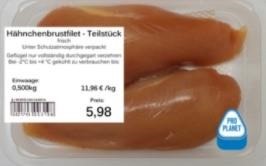
The researchers photographed chicken breasts from animals fed with spirulina or insect meal and rendered the photos to imitate market-ready products. The chicken breast products were labelled with health or sustainability claims to further understand preference motivation for alternative feedstuffs. Two groups of respondents (around 1000) then completed an online questionnaire, where they were shown two different chicken breast products and asked which one they would purchase. One group received the information available on the package, such as labelling and price. The other group received additional information regarding the feedstuffs and the feedstuffs were also identified on each product. Information on feedstuffs proved to be an important factor in influencing consumer preferences. Because spirulina drastically alters the colour of the end product, it is necessary to provide information to make these products marketable to consumers.
Surprisingly, the respondents liked the chicken breast reared with insect meal the most. However, when the feedstuff was identified, only sustainability-motivated consumers continued to prefer insects as a feedstuff. “Therefore, the incorporation of insects into feed for poultry should be conducted with full transparency for the end consumer and feedstuffs should be labelled in order to avoid future backlash or mistrust,” explains Dr Brianne Altmann, lead researcher. “However, the increased exposure through having these products available on the market will likely increase their acceptance.”
Click here to see more...