Texas winters are infamously fickle. Each year, weather conditions range from mild temperatures with high humidity to record-setting rain, sleet and sometimes snow. Sometimes, Texas livestock experience all of these weather conditions within the same week, presenting them with health challenges.
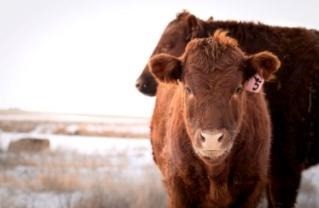
Maintaining shelter and water are two ways to help livestock through Texas winters. (Stock photo)
The Texas A&M Veterinary Medical Diagnostic Laboratory, TVMDL, offers several tests to maintain and evaluate animal health during the winter. Guy Sheppard, DVM, TVMDL veterinary diagnostician, said there are also a few basic mitigation strategies livestock producers may consider this winter.
Make sure shelter and water sources remain clean
Most livestock species are adaptable, however, it’s important to provide animals shelter to protect them from cold, blustery and wet conditions. Once a shelter is in place, maintaining the area can ensure animals stay healthy.
“Cleanliness of the shelter areas is important as disease pathogens survive and thrive in dirty and contaminated environments,” Sheppard said. “Manure removal and bedding replacement will ensure that your livestock have an excellent place to escape the winter elements. Along those same lines, make sure that clean, adequate water supplies are available and will be easy to maintain during freezing conditions.”
Nutrition and safe consumption of forages
Energy and protein are important levels to evaluate during a cold winter. People may think an animal’s metabolism slows during the winter, but the opposite is true, Sheppard said.
“Nutritional requirements increase during winter,” Sheppard said. “This coincides with a time the nutritional value of our forage is decreasing.”
In addition to decreasing in nutritional value, certain forages may become stressed and produce toxins, Sheppard said. For example, forages within the sorghum family produce and accumulate cyanide, also known as prussic acid, and nitrates. Therefore, it’s important to evaluate the quality of forage before offering it to livestock.
TVMDL’s role in assisting livestock producers this winter
TVMDL offers several tests that can be performed at the herd or individual levels and range from panels to assess energy balance and mineral levels to testing forage or feed to ensure it’s free of toxins.
Five TVMDL veterinary diagnosticians, such as Sheppard, are available to assist with testing recommendations and result interpretation.
As a starting point, TVMDL encourages livestock producers to first contact their veterinarian to determine what kind of testing, if any, is recommended. For more information on TVMDL’s testing, visit tvmdl.tamu.edu or call one of the agency’s full-service laboratories in Bryan-College Station or Canyon.
Source : tamu.edu