An Ontario real estate agent delves into what’s important and what’s not when selling a farm
By Jennifer Jackson
When it comes to getting ready to sell your farm, it is key to stick to projects that serve functionality and purpose, according to Justin Deseck, sales representative for Sutton Group Select Realty Inc.
“Without spending too much money, sellers can make their farms more appealing to buyers,” he says.
One of the most useful investments are hard work and time.
“Take down any old structures or unusable buildings that may be an eyesore or a hazard,” says Deseck. Producers should also “clean up the site – clean up the buildings, clear any garbage from the yard and, if there is a house, put it in the best light without spending too much money.
“Without a lot of this clean-up, buyers will consider it time, work and money – money that will come off of the purchase price.”
In addition to a clean and clutter-free yard, buyers usually prioritize any features that increase their yields and suit their operation, Deseck says.
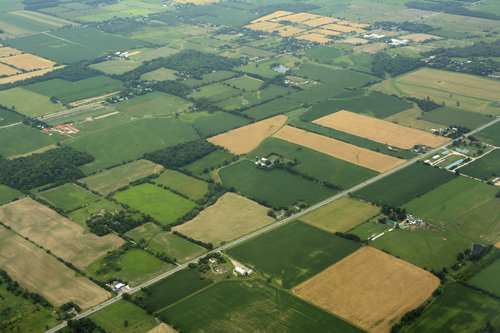
IMNATURE/iStock/GettyImagesPlus
“Overall, buyers are looking for appropriately priced properties (with) the best usability, depending on the needs of the farm type,” he says.
One seller mistake that Deseck comes across is spending too much effort and money on the older farmhouses versus on the property itself.
“If you have an older farmhouse, it may be likely that you will throw away good money if you try to renovate and improve it,” he says. “It can be likely that a new buyer may not see the value in these improvements and may have plans to build a new home.”
Depending on factors such as location and type of operation, houses 50 years or older often contribute little value to the farm operation, Deseck says.
“With old farmhouses on the property, I recommend sellers simply maintain them and keep them functional.”