The 500DS places fertilizer two inches away from seeds
By Diego Flammini
Staff Writer
Farms.com
A new offering from Case IH is designed to let farmers work with more precision.
“The Precision Disk 500DS brings a precision disk drill to the market that’s a double-shoot drill,” Trent Nowosad, Case IH marketing manager for seeding equipment, told Farms.com today from the Farm Progress Show. “The drill is designed to allow growers to place all of their seed and fertilizer at the same time.”
The 500DS joins Case IH’s Precision Disk lineup, which includes the 500 and 500T models.
Farmers looking for the benefits of high-efficiency seeding combined with those of a Precision Disk 500 would benefit from the 500DS.
One of the drill’s key features is the Precision Placement Knife.
It places fertilizer about one inch lower and one inch to the side of the seed, making the nutrients more accessible to the crop and preventing burn.
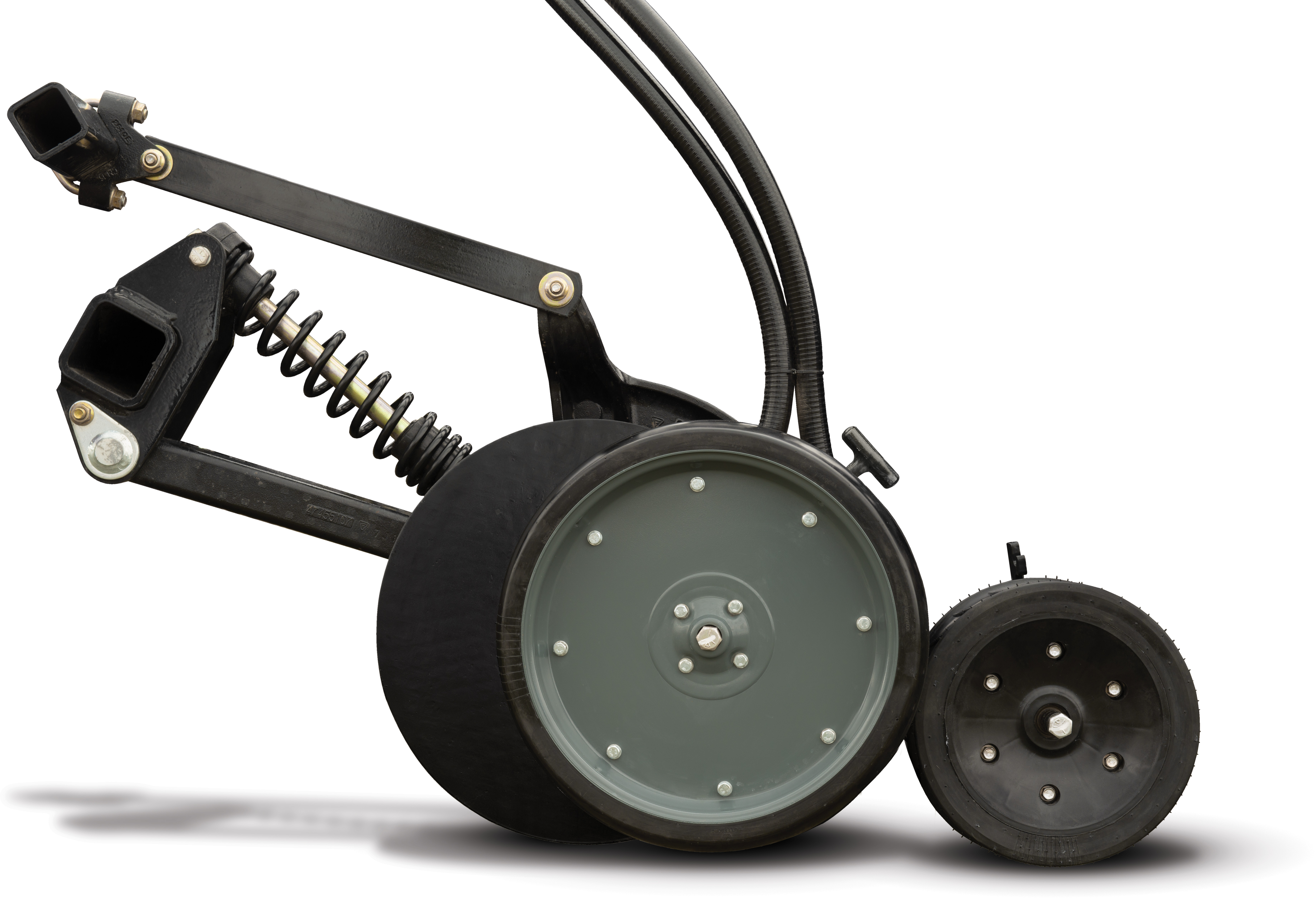
“It’s a fixed placement because, wherever the row unit goes, the farmer is guaranteed that the seed is going to be two inches away” from the fertilizer, Nowosad said. “When we put the fertilizer below the seed into the root zone, we see greater fertilizer efficiency because we’re placing nutrients where the roots have access to them.”
The drill is designed to allow farmers to adjust planting depths with ease.
Its T-handle no-tool feature is indexed to a quarter of an inch per notch and the spacing between each notch is progressively larger from the lowest to highest settings.
Case IH photos