McDonald’s among the others to make a similar decision
By Diego Flammini
Assistant Editor, North American Content
Farms.com
Another fast food chain announced it will be transitioning to cage-free eggs.
Dairy Queen says it will require its suppliers in the United States and Canada for shell eggs, liquid eggs and other proprietary products to purchase eggs from “approved cage-free egg suppliers.”
The company says the transition will be completed near the end of 2025 but beginning in 2017 only cage-free offerings will be considered as potential sources for eggs.
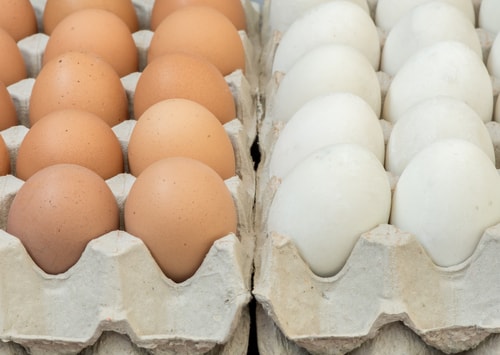
Dairy Queen has already implemented a cage-free egg program for its locations offering breakfast, but the company said the movement felt incomplete.
“Sourcing cage-free eggs for the breakfast program alone seemed to leave the job somewhat unfinished,” said William Barrier Ph.D, and executive vice president of Product Development/Quality, Research & Development in a release. “Once we decided to go cage free, we believed it was important to have a bigger program.”
Dairy Queen’s decision to use cage-free eggs is a decision other restaurant chains have made.
McDonald’s, Burger King, A&W, Chick-fil-A, Tim Horton’s and Starbucks also announced they will be transitioning to cage-free eggs.