Drones are among the tools being implemented
By Diego Flammini, Farms.com
Florida’s agriculture industry is worth about $120 billion and the state’s Commissioner of Agriculture, Adam Putnam, has an obligation to protect it from pests and disease as best he can.
Currently, Florida’s avocado crops are threatened by laurel wilt, which is spread by the red ambrosia beetle. As a result, Commissioner Putnam has provided four Specialty Crop Block Grants to help save Florida’s avocado industry – valued around $64 million.
The latest grant uses an animal for ground patrol and drones to fly above and identify laurel wilt in the fields.
“What they are going to do is cover more area for us and pinpoint an area that looks like it might have a disease,” said Deetta Mills, a Florida International University microbiologist in an interview with CBS This Morning.
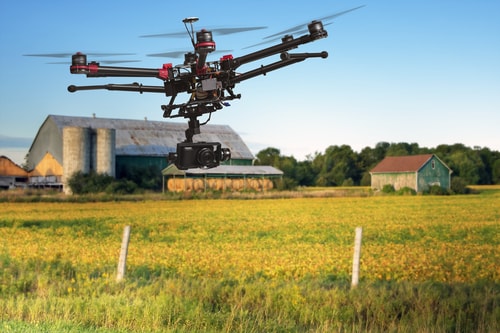
After the drone completes its flight and determines areas where trees could be at risk, the ground troops move in to pinpoint the ones that actually are.
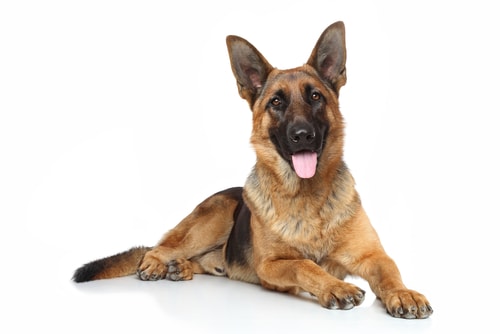
The ground troops used have four legs, a friendly demeanour and sometimes a love of playing fetch.
Yes, dogs.
The sensitive nature of a dog’s nose can pick up the scent the laurel wilt gives off. When they find an infected tree, they sit beside it to identify it – taking all the guess work out of trying to find which trees are infected.
“By early detection with the dogs, we think we can do an early treatment,” said Dr. Ken Furton, a leading scholar in forensic chemistry who specializes in scent detection at Florida International University.
Trees infected with laurel wilt may show some of the following symptoms:
- Drooping, wilted leaves with red or purple discoloration
- String-like tubes or piles of fine sawdust on the bark of wilted trees
- Leaves turning brown and may stay on the tree for up to a year
Join the conversation and tell us your thoughts about dogs being used to sniff out trees that are in trouble. Does it change the way you look at your dog?